
You think you’re safe. The inspection report came back green. The inspector shrugged. You feel good about that checkbook you just handed over.
But here is the cold truth. You just bought someone else’s old home. Their quirks are now yours. That might mean a lovely, low-maintenance garden. Or it might mean a bedroom painted a aggressive shade of magenta that no amount of primer will fix.
Old homes have old problems. A standard home inspection is visual. It’s a glance. It’s a walk-through. It is not a deep dive into the soul of the structure. “Proceed with caution” is real estate code for “you are on your own.”
So why stand in the corner while the inspector points his flashlight at the breaker box? Strap on your work boots. Go with him. Bring a second set of eyes. Because inspectors miss things. They are busy. They are looking for big-ticket disasters. They aren’t looking for the small, expensive leaks that eat your budget over five years.
Here are things they won’t tell you about.
10: Insulation Voids
Your house is supposed to be warm in winter and cool in summer. That’s why you pay for insulation. But insulation doesn’t always stay where it’s supposed to be.
During an inspection, the pro might check the attic. They might pull back some batts. They might nod. They won’t climb into every crawlspace. They won’t drill holes in your walls to see what’s hiding inside.
This creates insulation voids.
A void is just a gap. A cold spot. It happens when the insulation settles. Or when it was installed poorly to begin with. Or when previous owners added drywall and forgot to fill the space behind it.
Why does this matter to you?
Because your HVAC system will work harder. Your energy bill will creep up. And you’ll never know it’s happening until the winter hits and your heater is screaming for mercy.
How do you find these voids yourself?
- Use a thermal leak detector. You can buy these at most hardware stores. They are cheap. They snap on. You point them at your windows, your outlets, your attic hatches. It shows you where the heat is escaping in real-time.
- Check the attic. Yes, really. If there are gaps between the batts, or if the insulation is compressed flat, you have a problem. It looks fine from the outside. It’s not fine from the inside.
- Look for drafts. On a windy day, go around your house. Feel the windows. Feel the doors. If you feel movement, you have a seal issue.
Don’t wait for the bill. Fix it now. It’s just some foam sealant and some new batts. You can do it yourself.
The inspector saw the attic. He didn’t see the gap behind your master bedroom wall. That’s on you.
The Inspectors’ Blind Spots: What They Won’t Tell You
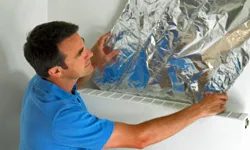
Home inspectors are trained to be thorough, but they aren’t mind readers. And they certainly aren’t wall-breakers. You can bet your bottom dollar they won’t start chipping away at drywall to see what’s hiding in the cavities. They will peek at the electrical outlets, sure. But if your northern-facing family room has zero insulation or a pile of it collapsed at the baseboards, you’re on your own. Get ready for heavy-duty socks and a very thick sweater next winter. Your house will be freezing. And no inspector is going to warn you about it until after closing.
Check for Warped Floors Yourself
Thick pile carpet can hide a multitude of sins. It masks slopes that a teenager could use for skateboard ramps. Inspectors don’t care if a room is perfectly square. They don’t care if the floor is level. Most houses just aren’t. And that might mean the difference between lounging on your sofa and hanging on for dear life when the couch shifts.
Construction moves fast these days. Don’t assume the price tag guarantees quality craftsmanship. You need a level. You need a T-square. Grab them. Check the floor yourself. If it’s rolling, you’re rolling with it—or fixing it later at your own expense.
TLC Tip
Don’t start ripping out walls the day you buy the house. Load-bearing walls hold up the roof. Hire a contractor to evaluate the property before you demolish anything. They can tell you which walls can go and which ones are keeping the sky off your head.
Septic Tank Goo Is No Joke
Unless your backyard looks like a raw sewage swamp, the inspector will glance at the pipes and skip the tank entirely. This is a gamble. A costly, revolting gamble. If something breaks later, you’re looking at a vile, hideous, nauseating lesson in waste disposal. We said vile. We mean it.
If the home isn’t on city sewage, you need a specialist. Find a contractor who specializes in septic system maintenance. Have them pull the tank. Check the components. Don’t let the standard inspection cover this. It doesn’t. And fixing it yourself is a nightmare you don’t want to dream about.
Listen for Floor Creaks
Remember sneaking into the house after a date? Trying to skip the creaky fourth or fifth stair? Those days are gone, but the noise remains. Some homes creak so much they sound like stock footage for a haunted house movie.
If you want to sneak up on your kids while they’re supposed to be doing homework, a silent floor helps. Newer homes creak less. Usually. But don’t count on it. Walk around any property with a keen ear. Listen like you’re trying to catch a thief. Or maybe catch them doing algebra.
There’s a flip side, though. Do you prefer silent stealth? Or would you rather have a telltale creak announce the arrival of late-night miscreants? A creaky house is an early warning system. Some people love that. Most don’t. Check the stairs. Check the subfloor. Listen closely.
Did You Know?
Home inspectors are licensed by state regulators. Not all licenses are created equal. When shopping for an inspector, look for years of experience. Decades are even better. Experience spots the subtle flaws that templates miss.
Heating Duct Pork Chops
You’ve probably seen the phrase “heating duct pork chops” in a few old inspection checklists. It refers to the ridiculous amount of dust, lint, and debris that accumulates in HVAC systems over decades. Inspectors rarely clean ducts. They might peek inside a vent. They might see a clump of gray fluff. They won’t measure it. They won’t care.
If you’re buying an older home, the ducts could be full of debris that’s been baking in there since the Carter administration. That’s not just dirty. That’s a health hazard. Dust mites. Mold spores. Rodent droppings. All circulating through your air.
Hire a duct cleaning specialist after you close. Don’t ask the inspector to do it. It’s not their job. And it’s not covered in the standard report. You need to pull the registers. Look inside. If you see anything that looks like a nesting site, call a pro. Clean it out. Replace the filters. Breathe easier.
And while you’re at it, check the insulation around the ductwork itself. If it’s torn or missing, your heating bill will skyrocket. You’re paying to heat the attic. Or the crawlspace.

Inspections are supposed to be the safety net. They catch the big stuff. The rotting beams. The faulty wiring. But the checklist is a blunt instrument. It misses the smells. It misses the things living in the corners of the attic.
You buy the house. You move in. Then the HVAC kicks on. And suddenly, you’re breathing in history.
Specifically, history that smells like decay. Or cat urine. Or a pork chop that someone’s nephew dropped into a floor vent in 2018. Those things don’t vanish. They wait. They sit in the ductwork, waiting for muggy air to push their perfume into your living room. It’s not a metaphor. It’s biology. And it’s expensive to fix.
5: Red Paint
Designers love color. They sell you on the idea that a wall in burnt sienna or deep aubergine adds “character.” Character is just a polite word for work you didn’t sign up for.
When you try to paint over that level of saturation, you’ll hit a wall. Literal wall. No matter how much you pay for premium latex, one coat won’t kill it. Two coats might show the ghost of the original hue. You’ll be staring at a ceiling fan, wondering if you should just hang wallpaper instead.
Want to cover last year’s bold paint job? Apply a coat of primer before you paint. You can also save time with a paint-and-primer-in-one product.
The fix is simple. Sand it down if you have to. But if you want to save your sanity, use a high-quality primer. It blocks the pigment. It gives you a clean slate. Don’t skip this step. Your new paint job depends on it.
4: Roof Critters
Inspectors don’t climb roofs. They’re not paid for the risk. They stand on the lawn and look up with binoculars. They see the missing shingle. They don’t see what’s moving inside the attic space.
You need a professional for that. Not because of leaks. Because of tenants.
Birds nest in chimneys. Termites can start at the ridge cap and work their way down into the structure. Raccoons are stronger than you think. They will tear through your fascia if they smell food. Or if they just want in.
For a thorough check, you’ll have to call in a roofing contractor. There’s more to consider here than just water leaks.
Don’t assume the roof is just a lid. It’s a habitat. Check for entry points. Seal them. Before the new tenants start digging.
3: Landscape Labor
That perfectly manicured hedge isn’t a gift. It’s a liability.
You walk in. The lawn is green. The flowers are alive. It looks like a magazine spread. But magazines don’t have utility bills. They don’t have to deal with overgrown roots cracking the foundation.
High-maintenance landscapes require constant attention. Soil amendments. Pesticides. Mowing. Pruning. If you don’t love gardening, you’ll hate it. And you’ll resent it.
Curb appeal is important, but opt for easy-care shrubs and a lawn that doesn’t need pampering.
Look at the maintenance cost, not just the beauty. Check with a local nursery for plants that survive in your climate without constant coddling. Native plants are usually the answer. They’re used to the weather. You don’t have to fight nature. Just work with it.
2: Pet Runs
Pets are love. They’re also a depreciation event.
Dander settles in the drapes. Hair clogs the HVAC filters. Scratches mar the hardwood. An inspector sees a dog house and moves on. They don’t see the odor that has soaked into the subfloor. They don’t see the dead grass patches where the dog ran in circles for five years.
When you sell, those issues come back to haunt you. Buyers smell what the inspector missed. They smell the pet. They smell the damage. And they will ask for a discount. Or they will walk away.
Fix it before you list. Replace the carpet. Deep clean the ducts. Refinish the floors. Don’t let someone else’s furry friend become your financial problem.
1: Cigarette Smoke
This is the worst one.
You can paint over red paint. You can clear out raccoons. You can mow the lawn. But smoke? Smoke gets everywhere.
It sticks to the drywall. It soaks into the insulation. It lodges in the carpet fibers. It leaves a yellow film on the ceilings. It doesn’t wash off.
Smokers think they can mask it with air fresheners. They can’t. The smell is in the structure now. If you buy a home with a smoking history, assume you need to replace the HVAC filters. Maybe the ductwork. Definitely the carpets.
Smoke damage is permanent until you replace the materials. Don’t try to paint over it.
It’s not just a smell. It’s a chemical residue. And it lingers. For years. Until you tear it out.
The house is yours now. The surprises are yours too. You can’t fix everything. But you can fix the ones that cost you money. Start with the smell. Then the paint. Then the roof.
The rest can wait.

Cigarette residue doesn’t just sit on the surface. It leeches deep into drywall, carpeting, and air conditioning ducts. Years can pass before it clears out. It might never clear out at all.
You think your nose will catch it. You walk in and assume you’ll smell the carcinogens immediately. That’s a gamble. Smokers know how to hide their tracks. Febreze masks the scent. Ammonia and bleach cover the evidence. Even baking cookies works. That’s sneaky.
One humid afternoon after the sale, the rank aroma of spent ciggys starts oozing out. Your family never sees it coming. Be proactive. Beat the butts. Make sure you’re buying a non-smoking home.
Home Inspection FAQ
What does a home inspector actually look at?
A home inspector gives your house a visual check. It’s not an in-depth medical exam for your foundation. They scan the major systems. Roof condition. Foundation cracks. Structural integrity. HVAC performance. Plumbing leaks. Electrical wiring status. If it’s visible, they note it.
How much can you negotiate on price after a home inspection?
Don’t nickel-and-dime the seller. Pick your battles. Especially if you weren’t the only offer in town. Your real estate agent puts a dollar value on every fix. Market research helps too. Realtor.com suggests using local data to justify your ask. Over-negotiating kills deals.
How long after a home inspection does the buyer have to back out?
Time is ticking. If your offer included a home inspection contingency, you have a legal exit. Realtor.com notes this is usually a seven-day window. You sign the purchase agreement. You have seven days to finish the inspection. Then you notify the seller if you’re walking away. Don’t drag your feet.
How long does seller have to make repairs?
The clock starts when you agree on specific fixes. Generally, they have until the final walkthrough to complete them. But what if you want proof? Tell your agent. Negotiate the terms. Force the seller to show you the work before the final walk.
What are common red flags found during a home inspection?
Watch for these issues. They signal big headaches.
– Plumbing problems. Slow drains or active leaks.
– Electrical faults. Knob-and-tube wiring or overloaded panels.
– Water damage. Look for efflorescence on concrete. It’s a white, chalky deposit.
– Structural defects. Sagging floors. Cracked beams.
– Mold. Musty smells. Visible growth.
– Pest evidence. Rodent droppings. Bat guano. Insect trails.