That stark white ring is embarrassing. You set down a cold glass, or maybe a damp pot, and just like that, your favorite coffee table has a ghost on its surface. It’s a classic home disaster. The finish looks cloudy, dull, and ruined. You might be thinking it’s permanent. It’s not.
You don’t need a pro. You don’t need to replace the furniture. You just need the right approach for removing white water rings from wood furniture. These marks are usually trapped moisture or wax buildup, not deep structural damage. The good news? Several household items can draw that moisture back out or gently polish the surface until the shine returns.
Here is how to tackle it.
Start Simple: Heat and Irons
The most common cause of white rings is moisture trapped beneath the finish. If the wood itself isn’t swollen or cracked, you can often coax that moisture out with heat.
Grab an iron. But not just any iron. Set it to a low setting. No steam. Absolutely no steam. Moisture is the enemy here. Place a clean, thin cotton cloth or a pillowcase over the stain. This acts as a barrier so you don’t scorch the wood directly.
Press the iron onto the cloth over the ring. Hold it there for a few seconds. Lift it. Check. The heat should evaporate the trapped water. Repeat if necessary. Move slowly. If you leave the iron in one spot too long, you’ll melt the finish. You want to dry the wood, not burn it.
“Heat draws out trapped moisture. If the ring fades, you’re done. If it remains, the issue might be wax buildup instead.”
The Oil and Vinegar Mix
If heat didn’t work, the white haze might be a reaction between the finish and the water. Or perhaps it’s hardened wax from a previous polish application. A gentle abrasive and solvent mix can help.
You need two things: olive oil and white vinegar. Mix them in equal parts. Dip a soft, lint-free cloth into the mixture. Wring it out well. You don’t want a dripping wet rag. Rub the stain in the direction of the wood grain. Use circular motions only if the grain is hard to identify, but linear strokes are safer.
The oil conditions the wood. The vinegar cuts through the cloudiness. Wipe it clean with a dry cloth. Buff it until it shines. This method works well for minor haze and light scratches too.
Mayonnaise and Mustard
It sounds weird. It is weird. But it works for some people. The oil in mayonnaise penetrates the finish and displaces the moisture. The acidity in mustard can help break down the residue.
Apply a small amount directly to the stain. Let it sit for an hour or two. Wipe it off. Test it in a hidden spot first. Some finishes react badly to the acids in mustard. Olive oil alone is a safer bet for a first attempt. But if you have mayonnaise on hand, it’s worth a try on stubborn rings.
Toothpaste as a Mild Abrasive
Toothpaste is a mild abrasive. It can polish away surface-level cloudiness. Use a plain white toothpaste. No gels. No whitening crystals that are too harsh. Squeeze
How to Remove Water Rings from Wood Using Baking Soda
The cheapest all-purpose cleaner in your cabinet probably isn’t bleach. It’s baking soda. It cleans floors, deodorizes carpets, and yes—it fixes those annoying white water rings on your wooden furniture.
You left a cold glass of water on the coffee table overnight. Now there’s a ghostly white circle where the condensation sat. Here is how you fix it without calling a pro.
Mix baking soda with a little water in a small bowl. You want a thick paste, not a soupy mess. Dip a soft cloth into the mixture. Rub it onto the stain using small, circular motions. Don’t scrub hard. Just work the paste into the wood’s pores.
Wipe it clean with a dry, soft cloth. If the ring is still faintly visible, repeat the process. It usually takes two or three tries for deep-set rings to vanish.
Linseed Oil and Rubbing Alcohol Mix
Sometimes baking soda isn’t enough. If the water stain is stubborn, you need a stronger solvent blend. This trick uses linseed oil and household rubbing alcohol.
Mix equal parts of both ingredients. Dip a clean cloth into the solution. Rub the stained area firmly. The alcohol breaks down the moisture trapped in the finish, while the oil replenishes the wood’s natural fats.
Keep rubbing for a minute or two. The white haze should disappear as you work. Wipe away any excess residue with a dry cloth.
DIY Wood Polish: Linseed Oil and Turpentine
For kitchen counters or dining tables that see a lot of use, this mixture acts as both a cleaner and a polish. It removes white marks and leaves the wood looking rich.
Combine three tablespoons of linseed oil with three tablespoons of turpentine. Stir them together in a jar. Dip a soft rag into the blend.
Apply it to the wood. Focus on the white spots. Rub until the stain lifts and the surface shines. Turpentine cuts through the grime, and linseed oil conditions the timber. This is a great option if you want to restore luster while cleaning.
Petroleum Jelly for Overnight Treatment
If you don’t want to mix chemicals or scrub for hours, try petroleum jelly. It sounds odd, but it works by sealing the stain and allowing the oil to penetrate slowly.
Apply a thin layer of petroleum jelly directly onto the water ring. Don’t spread it thin—just cover the mark completely. Leave it there overnight. Let the jelly sit on the wood for 8 to 12 hours.
In the morning, wipe it off with a soft cloth. The moisture trapped in the finish will have been drawn out or dissolved. The white ring should be gone. If it isn’t, apply another layer and leave it for another night.
Using Vaseline to Remove Water Rings
Vaseline is essentially petroleum jelly. It is a heavy fat that sits on top of the wood finish. When you rub it into a water stain, it fills the microscopic cracks where the moisture is trapped.
Take a small amount of Vaseline on a clean, lint-free cloth. Rub it into the stained area. Use circular motions. Let it sit on the wood for a full night.
The next day, wipe away the excess with a dry cloth. The heavy oils in the Vaseline help push out the trapped water vapor. The wood surface should look clear and uniform.
Which Method Should You Choose?
If the stain is fresh, start with baking soda. It’s safe, cheap, and likely already in your pantry. For older, deeper stains, the linseed oil and alcohol mix is more aggressive. If you want to polish while you clean, use the turpentine blend. For lazy weekends, let petroleum jelly or Vaseline do the work while you sleep.
Always test any mixture
Fixing White Rings on Wood with Salt Paste
Those cloudy white spots on your dining table? They usually mean moisture got trapped under the finish. Instead of sanding it down, try a salt paste.
Grab a small bowl. Add two tablespoons of fine salt. Splash in just enough water to make a gritty paste. Dip a cloth into the mix. Rub it onto the ring using gentle circular motions. Do not press hard. You want to lift the residue, not scratch the varnish. Wipe away the sludge with a clean, dry cloth. Finish by rubbing in a thin layer of furniture wax. The shine comes back.
Cleaning with Fireplace Ash and Olive Oil
If you have a chimney, you likely have ash. Don’t toss it. It’s abrasive enough to scrub without damaging the wood grain.
Scoop a pinch of cooled ash into a container. Add a few drops of olive oil. Stir until it looks like damp sand. Apply it to the stained area. Scrub for a few seconds. Wipe clean with a soft cloth. The oil conditions the wood while the ash lifts the grime. Check the result. It often looks better than before.
The Coffee Grounds and Bran Scrub
This one sounds weird. It works.
Mix equal parts used coffee grounds and wheat bran. The texture is key. It needs to be gritty but not sharp. Dip a rag into the mixture. Scrub the wood surface. Work the paste into the grain for a few minutes. The coffee oils help break down dirt. The bran provides friction.
Here’s the tricky part. After scrubbing, wipe the area with a cloth soaked in petroleum spirit (naphtha). This removes the oily residue from the coffee grounds. Be careful. Work in a ventilated area. Keep it away from open flames. Let the wood dry completely.
DIY Beeswax and Olive Oil Polish
Store-bought polish is fine. This homemade version lasts longer and smells better.
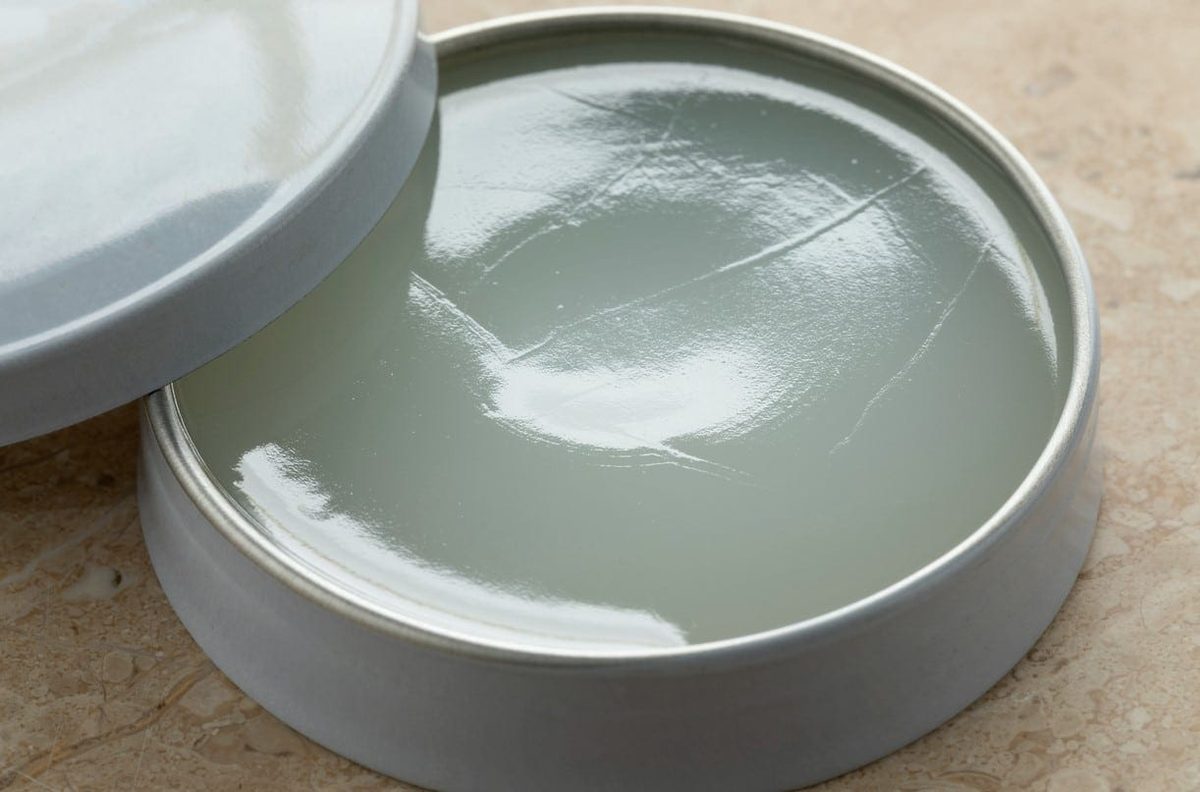
Set up a double boiler. Melt two tablespoons of beeswax into eight tablespoons of olive oil. Stir constantly. Keep the heat low. You want the wax to dissolve, not burn. Once it’s a uniform liquid, pour it into a tin jar. Let it cool in the fridge. It will harden into a balm.
When you need to clean or polish, scoop a small amount on a cloth. Rub it onto scratches or dull spots. The wax fills in tiny imperfections. The oil prevents the wood from drying out. It’s a slow cure. Give it time to penetrate.
Surprisingly Gentle: Body Lotion for Wood
Your skin care routine might save your furniture.
Body lotion, especially the kind meant for babies, is mild and nourishing. It contains emollients that treat wood similarly to skin. Dampen a soft cloth with a small amount. Rub it into the surface. Focus on dry or stained areas. The lotion cleans without stripping the finish.
You might be skeptical. It feels strange to use lotion on a dresser. But the result is surprisingly clean. The wood looks hydrated. The stains fade. It’s a quick fix for minor dullness. Just don’t use heavy creams with thick fragrances. They can leave a residue. Stick to simple, unscented formulas.