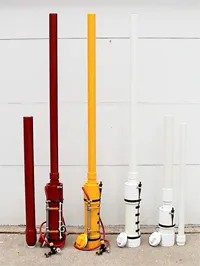
Spud guns are simple devices. They shoot potatoes. They rely on rapidly expanding gas to do it. There are two main types. Combustive guns use fire. Pneumatic guns use compressed air. Both move the projectile using pressure. Most builders use PVC pipe. Some use ABS plastic. A few use aluminum. The material choice affects safety. It also affects durability.
All spud guns share three basic components. They need a chamber. This is where pressure builds. They need a barrel. This is the exit path. They need a firing mechanism. This triggers the release. Many designs include a barrel knife. It is a sharpened edge at the barrel’s tip. It shaves off excess potato flesh. This ensures a smooth fit.
How Combustive Spud Guns Work
Combustive spud guns are volatile. They rely on an explosion. You start with a fuel-air mixture. This mix sits in the chamber. You need an ignition source. An electric barbecue sparker works well. When the spark hits the vapor, it ignites. The resulting explosion creates hot gas. The gas expands quickly. It forces the potato down the barrel. The potato exits at high speed.
This process is dangerous. PVC is not rated for explosions. It can shatter. Shrapnel flies in all directions. Builders take this risk. They must take precautions. Drilling holes is a common modification. Always drill through couplings. The material is thicker there. It reduces the risk of shattering.
How Pneumatic Spud Guns Work
Pneumatic spud guns are different. They use compressed air. You do not need fire. You need a pressure source. An air compressor works. A regulated CO2 tank works too. The gun has a large-volume chamber. You pressurize this chamber. You wait for the pressure to build.
Next, you need a dump valve. This valve must act fast. When you fire, the valve opens. It dumps all the air at once. The entire volume of air rushes into the barrel. The projectile accelerates quickly. The velocity is high. The process is clean. There is no combustion. There is no explosion. Just pure pneumatic force.
Safety and Loading Methods
Building a spud gun is risky. PVC pipe is not intended for projectile launchers. It is not pressure tested for this use. You build at your own risk. You must understand the materials. You must respect the forces involved.
Most spud guns are barrel loading. You insert the potato in the barrel. You push it all the way down. You use a pole or rod. This method is common. It is simple. It works.
Some designs are breech loading. You open the gun near the chamber. You insert the potato there. This method is safer. It keeps your hands away from the barrel. It also allows for easier loading. You do not need to push the potato far.
Which method do you prefer? Barrel loading is traditional. Breech loading is safer. The choice depends on your design. It depends on your comfort level.
Materials and Modifications
PVC is the standard material. It is cheap. It is easy to find. It is easy to cut. But it is not safe for combustion. It can explode. ABS is slightly more durable. Aluminum is stronger. It is heavier. It is harder to work with.
Many builders modify their guns. They add ports. They add valves. They change the barrel length. These modifications change performance. They also change safety. A longer barrel may increase velocity. It may also increase the risk of barrel failure. A shorter barrel may be safer. It may have less power.
The key is understanding the limits. Do not over-pressurize. Do not use damaged pipe. Check your seals. Check your fittings. A leak is annoying. A rupture is dangerous.