I don’t pretend to have a clue. I can’t tell a tile from a linoleum. I’m the guy who breaks chainsaws on day one. When a contractor shows up, I assume they see dollar signs. I’m exaggerating, sure. I did fix an outside faucet once. Sort of. But if you give me a Bobcat, I’d probably drive it into a tree.
My house is under siege. Chimney guys. Roofers. Jim and Francine turning my garage into a New England barn with modern siding. Today, the crew is clearing land and re-grading the driveway. I watch from the window. I write the checks. I do not touch a shovel.
I used to try to fix a vacuum cleaner. Result? A screwdriver in the eye. It hurt. OSHA officials would faint. So I respect the people who actually build things. They’re artists. Michelangelo with a bulldozer. Brian, my landscape architect, has taken a rocky, wooded mess and sculpted it. He’s working on the driveway now.
Construction isn’t just about moving dirt. It’s about two very different worlds. One builds your home. The other builds the economy. They share tools, but they don’t share the same logic. If you’re wondering about the difference between industrial and residential construction, the answers aren’t just in the scale. They’re in the materials, the regulations, and the sheer physics involved.
Why It Matters for Homeowners
You might think this is just trivia. It’s not. When you hire a team for a home renovation, you’re entering the residential world. When you look at the highway expanding three miles down the road, that’s industrial. Knowing the distinction helps you understand why your contractor argues about permits while a civil engineer argues about load-bearing limits.
The construction sector contributes one-tenth of the world’s Gross Domestic Product. That’s huge. Nearly 7 percent of the global workforce is in this industry. Some are nailing shingles to your roof. Others are pouring concrete for a skyscraper. The skills overlap, but the stakes do not.
Let’s break it down. Start with the basics of industrial construction.
Industrial Construction: Built for Function, Not Feeling
Industrial construction focuses on facilities that support manufacturing, production, or large-scale infrastructure. Think factories, power plants, warehouses, and refineries.
The goal here is efficiency and durability. Aesthetics are secondary. If a wall doesn’t need to look pretty, it won’t. It needs to withstand chemical spills, heavy machinery vibration, and extreme temperatures.
Key characteristics include:
- Heavy infrastructure : Foundations are massive. They often require piling deep into the earth to support heavy loads.
- Specialized materials : Concrete mixes are reinforced with steel rebar or fiber. Walls might use fireproofing panels or chemical-resistant coatings.
- Complex systems : These buildings house complex machinery, HVAC systems for industrial processes, and high-voltage electrical grids.
- Strict regulations : Safety standards are non-negotiable. OSHA regulations are enforced with extreme prejudice. One slip can cost lives, not just money.
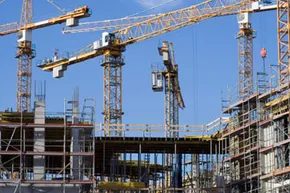
Tools here are different. You won’t find many hammers. You’ll find cranes, excavators, and laser levels. The workforce is often unionized, with highly specialized roles. A
The Scale of Industrial Work
Stop picturing your local big-box store. That’s retail. Real industrial construction involves designing, installing, and maintaining titanic structures. We’re talking power plants, skyscrapers, massive warehouses, and factories. The work varies wildly. One day you’re on a bridge. The next, a dam or an oil refinery.
This isn’t a side hustle. It requires expert training and highly experienced workers who can multi-task under pressure. Most firms are large, multi-national entities. Projects are managed by a swarm of managers, engineers, and architects.
To grasp the sheer magnitude, look at Jubail Industrial City in Saudi Arabia. Located in the east, this was the world’s largest industrial construction project when it began in 1975. The goal was simple: expand the petrochemical industry.
Workers didn’t just build towers for petrochemicals and fertilizers. They built an industrial port. A steel works. And they built a city for the people who worked there. More than 100,000 residents got homes and shops. The city includes two dozen schools, 14 shopping centers, and a golf course. At its peak, the workforce hit 50,000. The cost? Over $40 billion.
It’s still growing. Phase two, Jubail II, is under construction now. Workers are erecting 22 new industrial sites. This includes the world’s largest desalination facility. They’re pouring roads. Building wastewater treatment plants. Expanding the King Fahd Industrial Port. Phase two costs $3.8 billion.
Gargantuan is the word. Industrial construction means big. And the tools match that scale.
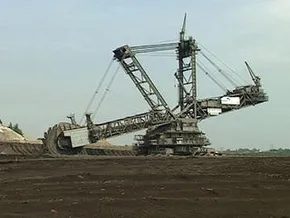
Some lucky drivers operate the largest excavator in the world. It weighs 45,500 tons. It can literally move mountains. If you played with Tonka trucks as a kid, you’d love the T-282. It is the planet’s largest dump truck.
Empty, the T-282 weighs 465,000 pounds (210,920.42 kilograms). It stands 24 feet (7.32 meters) tall. It carries 400 tons of material. Drivers say it feels like driving a four-bedroom house.
Most of us never see this world. We have little contact with these projects. But residential construction is different.
Residential Construction
The Garage Makeover That Started It All
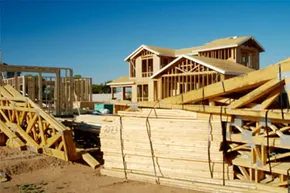
It was late 2011. My garage looked less like a workspace and more like a warning. Squirrels had chewed through the clapboard siding. The woodshop door jamb was soft with rot. The paint was peeling in ugly strips. I was done. I called Jim and Francine, my go-to contractors, and told them I wanted a complete overhaul. Barn-red clapboard, I said.
They took the job with enthusiasm. The work was flawless. Then, a new vision hit me. I wanted a small porch attached to the shop. The shop is a misnomer—it’s just a garage—but let’s stick with the term. Cash was tight. Then I remembered Jim’s truck died the week prior. I had a 1993 Ford Ranger in my driveway. It needed new springs. I made a deal: build the porch, and I’d sign over the truck. Jim and Francine finished in three days.
How General Contractors Fit Into Home Renovation
Jim and Francine are part of a specific breed of professional. They are general contractors, the backbone of residential construction. They coordinate the big picture. Sometimes they don’t swing the hammers themselves. Instead, they hire subcontractors. A general contractor is the project manager. They handle permits, timelines, and client expectations from start to finish. Subcontractors are specialists. You might bring in a plumber for pipes, an electrician for wiring, or a mason for foundations. Each specialist finishes their task and moves on.
For homeowners, understanding this distinction matters. If you hire a general contractor, you have one point of contact. They manage the subcontractors. This simplifies communication but adds a layer of overhead. If you hire subcontractors directly, you become the project manager. You coordinate schedules. You check quality. You handle conflicts. It saves money but requires significant time and construction knowledge.
Builders vs. Developers: Who Is Who?
The residential construction industry includes several distinct roles. It is easy to confuse them, but the differences are stark.
Builders coordinate individual residential projects. Their goal is often to sell or rent the finished structure. A builder buys the land. They secure financing. They hire designers to sketch plans. They hire contractors to build. They might work on one property at a time or manage a small portfolio.
Developers are builders on steroids. They buy large tracts of land. They divide the property into building lots. They ensure roads and utilities are in place before selling. Developers focus on scale. They build private and public housing in bulk. Their risk is higher because they hold the land and manage the entire development process.
Why Residential Construction Matters to Your Wallet
The building industry is a major economic engine. It suffered heavily during the Great Recession. But recovery was visible. In 2011, the industry added nearly 100,000 jobs. By February 2012, private residential construction spending hit $253 billion. This figure stayed steady compared to January.
When you renovate a home, you contribute to this number. I like to think my garage porch played a small part. But the work is never done. Looking out my garret window, I see the garage roof needs attention. Hunter green, I think. Just like the new roof on the house.