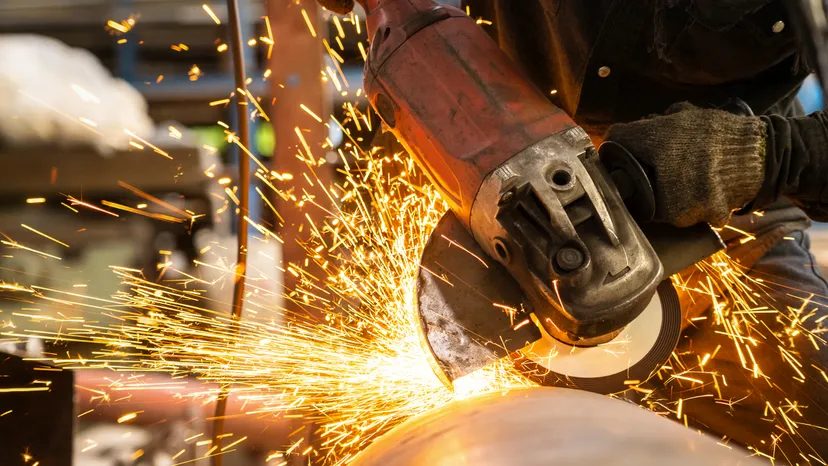
You can cut metal with a circular saw, but you cannot just swap in a wood blade and flip the switch. It requires a carbide-tipped abrasive cutoff wheel designed specifically for metal. These wheels look different from wood blades. They are built to handle heat and hardness. Wood blades will shatter or melt. Don’t risk it.
The housing matters more than you think. A standard wood circular saw has an open motor. Metal cutting creates hot chips. Those chips fly everywhere. If they hit an open motor, the saw dies. Or worse, it starts a fire. Metal-specific saws have enclosed motors and collection bins. They keep the debris out. If you must use a wood saw on metal, stick to a 7-1/4-inch blade. A worm drive saw offers more torque. It helps push through resistance. Note the mounting direction. Wood blades face one way. Worm drives mount on the opposite side. Check the label.
Choosing the Right Metal-Cutting Blade
Not all metal is the same. Brass, aluminum, copper, and lead are non-ferrous. They require specific carbide-tipped blades for optimal cuts. These blades last longer. They can last up to ten times longer than regular steel blades. That is a significant savings. You buy them once. You use them for months.
Thickness dictates the tooth count. Thin metal needs more teeth. The teeth bite into the material without grabbing. Thick metal needs fewer teeth. The larger gullets clear out chips. If the teeth are too close, the blade clogs. It binds. It kicks back. Read the packaging. It lists the compatible material and thickness range. If you are unsure, call the manufacturer. Better to ask now than buy the wrong tool.
Where to Buy and How to Match
Home improvement stores rarely stock metal blades. You will mostly see wood blades on the wall. You might need to order online. Or find a specialty tool shop. Do not choose based on price alone. Cheap blades wobble. They cut crooked. They wear out fast. You get what you pay for.
Before you buy, check two things. Diameter. Arbor size. They must match your saw. A 7-1/4-inch blade won’t fit a 12-inch saw. A wrong arbor size means the blade won’t mount. Or it will spin loosely. Both are dangerous. Measure twice. Cut once.
Frequently Asked Questions
How do I ensure I’m choosing the right blade for the thickness of the metal?
Look at the packaging. It lists the recommended thickness range. Match that to your material. If the blade is for 1/8-inch steel, it won’t cut 1/2-inch steel well.
Can I use a wood-cutting circular saw to cut metal if I use the right blade?
It is not recommended. The open motor housing is the problem. Metal chips will enter the machine. They cause damage. They cause failure. Use a saw designed for metal if you can. If you must use a wood saw, use extreme caution. Stick to thin materials. Keep the blade clean.