
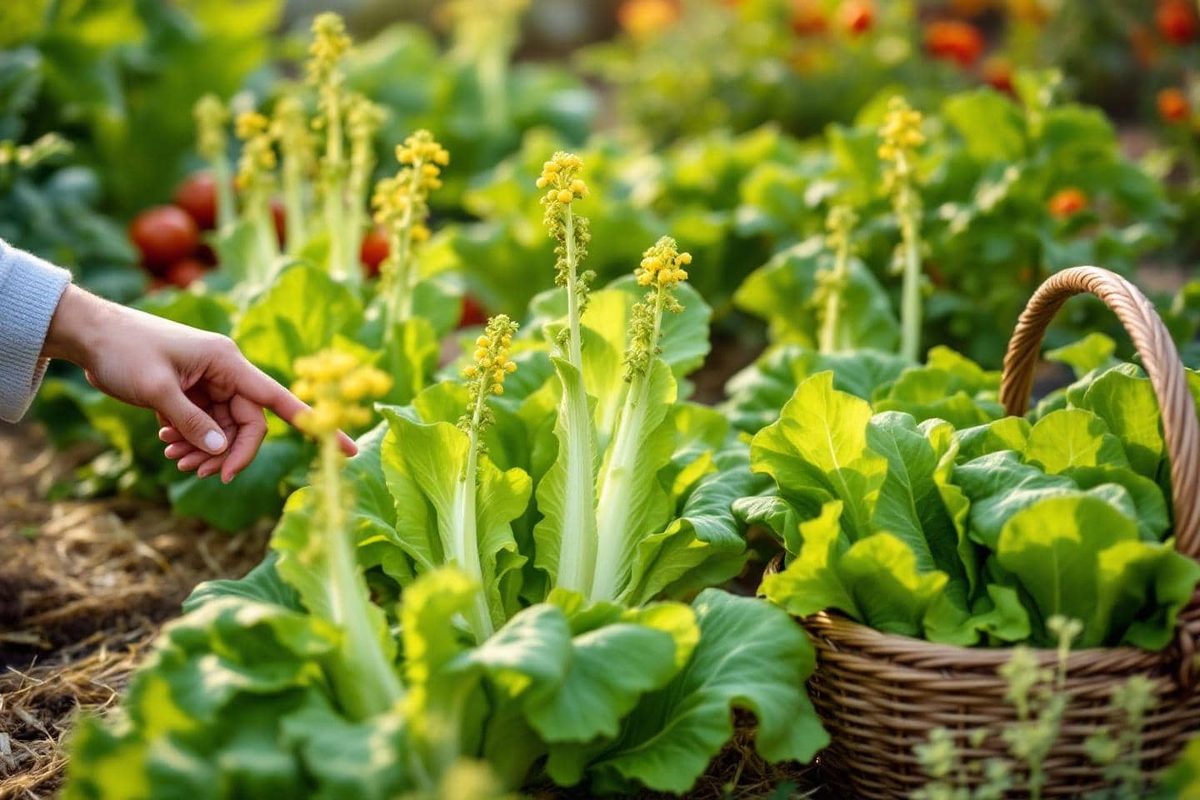
You’re standing over the garden bed. The lettuce is supposed to be dinner tonight. Crisp, cold, perfect. But look closer. Something is wrong. The plant isn’t just growing; it’s rushing toward the end. This is bolting. It happens in June, whether you are in a cramped urban balcony garden or a sprawling rural plot. It ruins the harvest. The leaves turn bitter. The texture goes to hell.
Ignoring the signs doesn’t help. You need to catch the “montaison” early. How? By watching for three specific shifts. If you miss them, you’re left with spicy, fibrous leaves that no amount of dressing can fix.
Watch for the Central Stem Shooting Up
The first clue is structural. Look at the center of the rosette. Where there was once a tight cluster of leaves, a stem is now emerging. It stretches upward. Fast. Sometimes several centimeters in just a few days.
This isn’t normal growth. This is the plant changing its strategy. Historically, Parisian market gardeners in the 19th century feared this moment. They called it la salade qui file. When the lettuce starts to “run,” the window for the ideal harvest closes. The plant stops focusing on leaf production and starts focusing on height. It’s preparing for the next phase of its life cycle. If you see that central stalk thickening and reaching for the sun, the clock is ticking.
Leaves Lose Their Crunch
Texture changes are harder to see but easier to taste. As the stem rises, the leaves themselves change. They don’t just get bigger. They get thinner. The fleshy, juicy quality vanishes.
Instead of that satisfying snap, you get fiber. Toughness. The leaves become coriaceous—leathery. Eating them raw becomes a chore rather than a pleasure. In community gardens, this is often the first thing that alerts growers. You pick a leaf, and it feels wrong. It lacks the succulence of a healthy plant. The bolting process consumes the plant’s energy reserves, shifting resources from leaf mass to reproductive structures. The result is a salad that feels less like food and more like chewing on green paper.
The First Floral Buds Appear
The final, undeniable sign is floral. At the top of the elongated stem, tiny buds begin to form. They start small and tight. Then they swell. These are the precursors to flowers.
Once you see these inflorescences, the chapter on eating that specific head of lettuce is over. The plant has shifted from growth to reproduction. It is now trying to seed. This is natural. It’s how the species survives. But for the gardener looking for a lunch ingredient, it’s a disappointment. The bitterness increases significantly as the plant prepares to flower. The leaves may turn yellow or brown at the edges as energy is diverted elsewhere.
Why Does It Happen So Fast?
You might wonder why this acceleration occurs. Is it heat? Day length? Stress? The answer lies in the plant’s genetic programming. Lettuce is an annual. Its entire purpose is to grow, flower, set seed, and die. When environmental cues trigger this shift—usually increasing daylight and rising temperatures—the plant accelerates its development. It tries to complete its life cycle before conditions become hostile. For the home gardener, this means the harvest window is narrower than you think. You have to act before the plant acts.
Why Lettuce Bolts and How to Buy Time
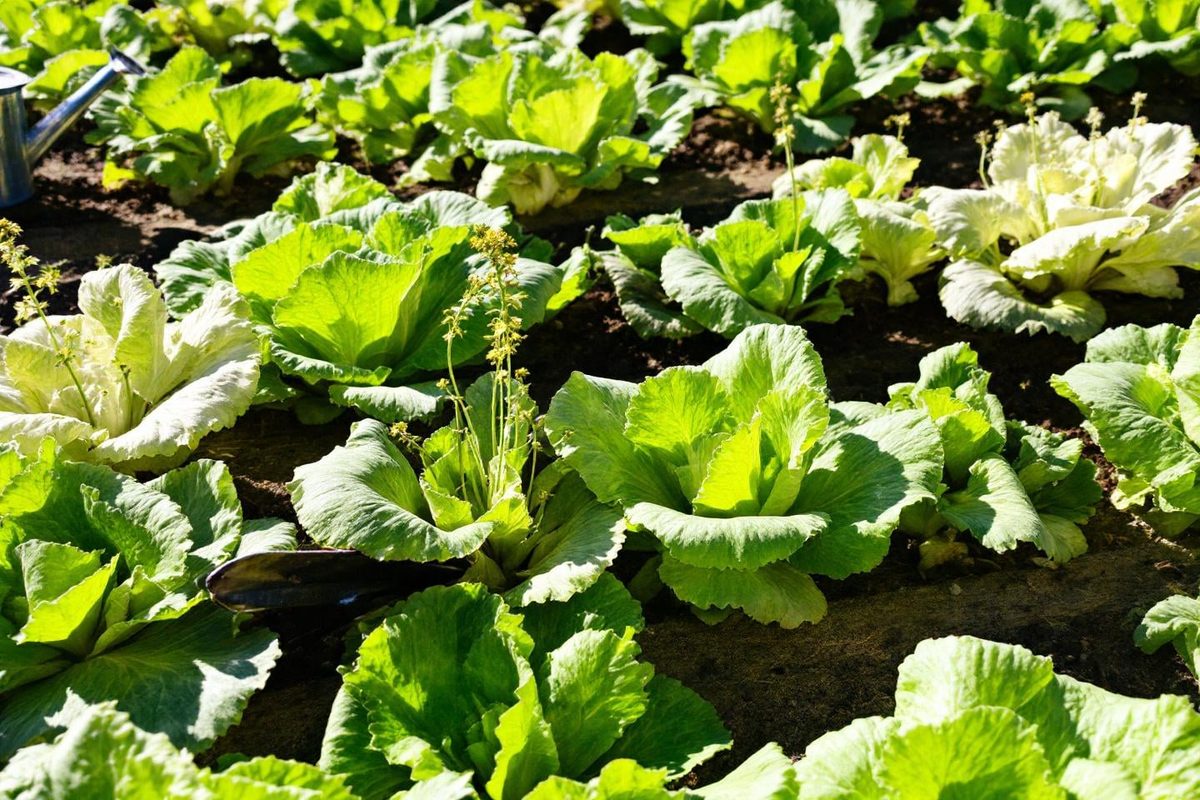
You notice it first as a stiffening of the leaves. The tender, curling edges of your batavia or romaine suddenly straighten out, turning bitter and tough. The plant has decided it’s time to reproduce. It’s bolted. This isn’t a failure on your part, exactly, but a biological survival mechanism triggered by conditions you might not have controlled.
The primary culprit is heat. Specifically, temperatures pushing past 25°C (77°F). Lettuce is a cool-season crop. When summer arrives early or a heatwave hits in June, the plant perceives a threat. It thinks it’s going to die. So, it rushes to set seed before the drought kills it. This is why you see a sudden spike in bolted lettuce mid-summer. It’s an evolutionary shortcut.
Water stress plays an equally deceptive role. Inconsistent watering shocks the system. If you let the soil dry out completely and then drench it, the plant panics. It interprets this erratic pattern as the onset of a harsh season. The result? Rapid bolting. This is especially common in urban environments where containers bake in the sun. The soil dries out faster than in the ground, triggering a false alarm in the roots.
Not all varieties are created equal. Iceberg and other head lettuces are notoriously sensitive. They will bolt at the first sign of warmth. Leaf lettuces and French breakfast varieties are more resilient. Some older strains of batavia have developed a natural resistance to heat, delaying the reproductive urge. Gardeners often seek out specific “slow-bolt” or “heat-resistant” labels when shopping for seeds. These varieties can extend your harvest window by weeks, if not months.
Stopping the Clock: Practical Interventions
Once the central stem begins to elongate, you’re in a race against time. Can you save it? Sometimes. The goal is to delay flowering long enough to harvest usable leaves.
Start with harvest technique. If you spot the tiny flower bud forming at the center, don’t wait. Cut the head low, just above the crown. This encourages a secondary growth of smaller, tender leaves. They won’t last as long as the first harvest, but they’re still edible.
Timing matters. Water in the early morning. This ensures the plant starts the day hydrated, helping it cope with the afternoon heat. Avoid watering in the late afternoon or evening, which can encourage disease without providing significant cooling benefits.
Shade is your best friend. A simple shade cloth, dropped from a frame or hung from nearby structures, can lower the ambient temperature by several degrees. Even planting taller crops like corn or tomatoes to the north of your lettuce bed can cast the necessary shadow. This creates a microclimate that mimics spring conditions.
Mistakes That Speed Up Bolting
Many gardeners unintentionally accelerate the process. The most common error? Overwatering after a drought. It’s a shock to the system. The plant thinks the dry spell is over and rushes to complete its life cycle.
Another mistake is over-fertilizing with nitrogen. Too much nitrogen encourages rapid leafy growth, which can stress the plant if the roots can’t support it. When combined with heat, this stress triggers bolting.
Ignoring the signs is fatal. Once the stem stretches, it’s hard to stop. The energy shifts from leaf production to seed production. You can’t force the plant to stay in the vegetative stage indefinitely. The only way to manage this is observation. Watch the weather. Feel the soil. Adapt your care routine before the plant decides to leave.
Natural Strategies for Longer Harvests
Experienced gardeners use passive techniques to keep the soil cool and moist. Mulching is essential. A thick layer of organic material—shredded leaves, grass clippings, or straw—insulates the soil. It reduces evaporation and keeps the root zone stable. This consistency prevents the shock that triggers bolting.
Companion planting offers another layer of protection. Interplanting lettuce with beans or tomatoes provides dappled shade. This is particularly effective in hotter climates, like the Mediterranean basin, where gardeners use existing structures to shield delicate greens.
When It’s Too Late: Embracing the Flower
What do you do when the lettuce has fully bolted? The leaves are often too bitter to eat raw. But the plant isn’t useless. The flowers are edible. They add a mild, peppery note to salads or garnishes. The seeds can be harvested and saved for next season, or even ground into a meal.
Some gardeners intentionally allow a few plants to bolt. They use the flowers to attract pollinators, supporting the rest of the garden. It’s a trade-off. You lose the leafy harvest, but you gain biodiversity and future seeds.
The key is to accept the cycle. Lettuce doesn’t fail; it evolves. By understanding the triggers—heat, water stress, variety selection—you can manipulate the timeline. You can’t stop summer, but you can outsmart it.
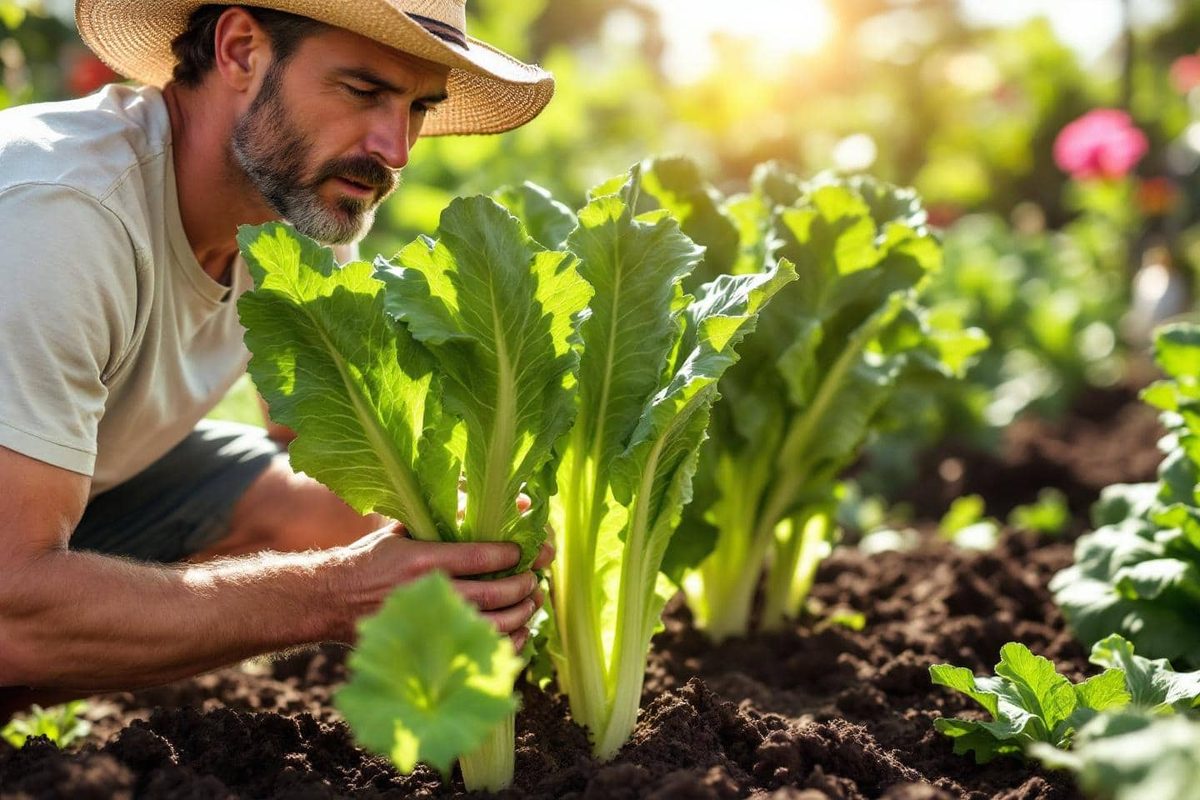
When lettuce bolts, it doesn’t mean you’ve lost the battle. It just means the game has changed. Instead of tossing the plant, you can pivot. The plant enters a new life stage, and with a few adjustments, you can still harvest, save, and enjoy.
Harvest the young leaves before they toughen out
A lettuce head that has sent up a flower stalk isn’t automatically trash. The texture changes. It gets fibrous. But the young leaves near the base or on new shoots are often still tender. Pick those first. They retain that crisp freshness you want in a salad.
For the tougher, older leaves, don’t throw them away. Cook them. A quick sauté softens the fibers. Suddenly, your bolted lettuce is a garnish, not a garnish-less disappointment. Some gardeners toss these leaves into soups or veggie stir-fries. It’s resourceful. It tastes like nothing goes to waste.
Save seeds for next year’s garden
Letting a few plants bolt completely is actually smart gardening. You get free seeds for the next season. It’s a closed-loop system.
Wait until the flower heads dry out on the stalk. Then, shake them over a bowl or paper bag. Hundreds of seeds will fall out. Store them in a paper envelope. Keep it dry. Humidity ruins seeds.
This isn’t a new trick. Before industrial seed packets took over, this was the norm. Urban gardeners are bringing it back. It’s about saving money. It’s about preserving plant heritage. You’re not just buying seeds; you’re saving the genetics of your specific garden.
Use the plant for pollinators or compost
A bolted lettuce plant is an ecosystem, not just food for you.
- Pollinator refuge: The flowers attract bees and other beneficial insects. Let them work.
- Compost: Once the plant is spent, chop it up and add it to your compost pile. It breaks down fast.
- Culinary flowers: Some lettuces produce edible flower buds. Blanch them briefly. They taste like capers. Use them in omelets. They add a surprising crunch.
Plan ahead to avoid surprise bolting
You can’t always control the weather. But you can control your planting schedule.
Stagger your sowings. Don’t plant all your lettuce at once. Small batches every few weeks mean a continuous supply. If one batch bolts, the next might still be young.
Mulch the soil. It keeps roots cool. Cool roots delay bolting.
Water wisely. Water deeply but less frequently. Encourages deeper roots. Deeper roots handle stress better.
Choose the right varieties. Some lettuces are bred for heat resistance. Look for “slow-bolt” varieties in the spring. They last longer in warm weather.
Provide shade. In hotter months, use shade cloth or plant near taller crops that offer afternoon shade. Heat is the main trigger for bolting. Reduce the heat, reduce the bolt.
Observe and adapt
Watch your garden daily. One day it looks fine. The next, you see the central stalk shooting up. Catch it early. Harvest the leaves before they turn bitter.
Bolting isn’t failure. It’s nature doing what it does. It’s reproduction. If you accept it, you can work with it. Save seeds. Cook the leaves. Feed the bees. Enjoy the flowers.
The garden changes. You adapt. That’s the job. Next season, you’ll know what to look for. And you’ll have seeds saved from this year’s survivors to plant again. The cycle continues.