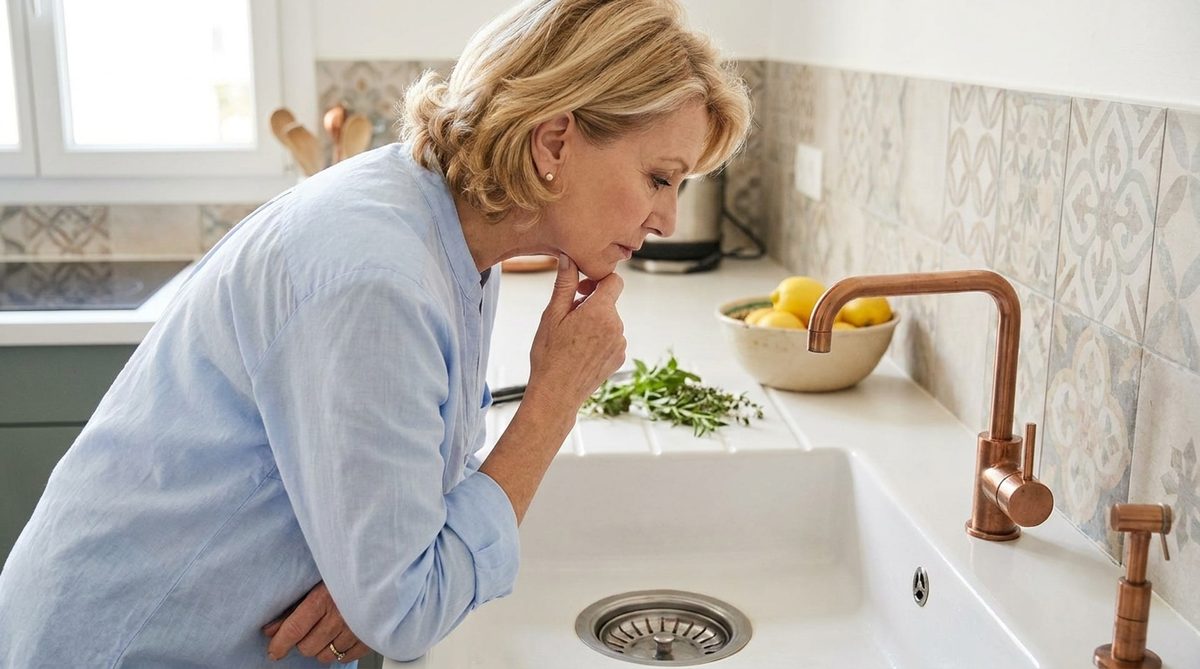
Stagnant water. A sink that gurgles. That heavy, rotting smell rising from the drain.
It feels minor at first. Just a nuisance. Then the water slows to a trickle. The smell worsens. You’re stuck with a clogged drain at the worst possible time. Most households experience this slow buildup until everything snaps. The good news? You can stop it. You don’t need aggressive chemicals. You don’t need to dismantle pipes.
The fix is a simple, regular habit. It works before deposits harden into solid blocks. Do it right, and your plumbing stays clear. No more surprises.
What Actually Builds Up in Your Pipes
Drains don’t clog overnight. They shrink gradually. Think of it like an artery narrowing over time.
In the kitchen, grease is the main culprit. Food fats, sauces, starchy residues, and coffee grounds mix together. They cool down. They solidify. They trap everything else that washes down the sink.
In the bathroom, it’s different. Soap scum and hair mix with limescale. This forms a sticky, felt-like mat inside the pipe. Water flow slows. Air gets trapped. Odors appear, especially when the P-trap holds fermenting matter. Even a small stream of water can push these smells back up into your home.
The trap is waiting for the full clog. Once that happens, gentle maintenance often isn’t enough. You need heavy intervention.
The Plumber’s Weekly Ritual: Hot Water
The most cost-effective reflex is pouring very hot water regularly.
Do this once a week. Ideally, do it after a “greasy” usage. Think rich dishes, rinsed frying pans, or leftover sauces.
Here is how you do it:
- Boil water. Use a kettle or a saucepan.
- Pour slowly. Do not dump it all at once.
- Pause. Let the heat work.
- Pour again. Repeat the process.
This heat helps lift light grease films. It fluidifies what is starting to stick to the walls. The goal isn’t to flood the pipe. It’s to let the heat penetrate the buildup.
In the kitchen, this ritual is critical. Grease solidifies fast. This isn’t a miracle unclogger. It’s preventive maintenance. Done regularly, it limits odors. It keeps flow sharp. No harsh chemicals required.
Mistakes That Ruin Prevention (And Safety for Old Pipes)
Many problems come from good intentions executed poorly.
The first mistake? Believing corrosive products clean better. They don’t. They damage materials. They can harden certain deposits. They leave irritating residues behind.
The second mistake? Pouring boiling water without checking your plumbing’s condition.
Recent installations usually handle this fine. Older systems? Not so much. Heat can worsen micro-cracks in aged pipes. If elements are already fatigued, thermal shock is risky.
Be careful with daily habits too. Never pour cooking oil or grease directly into the sink. Let it freeze. Throw it in the trash. Use a grid or filter to catch hair and food scraps.
Key Precautions:
- Never pour oil down the drain.
- Use physical filters to catch debris.
- Pour hot water in stages, not as one violent jet.
- Check your pipe age. If your plumbing is old, use very hot tap water instead of boiling water. Watch for leaks.
Common sense wins. Gentle, regular maintenance beats aggressive, risky catch-ups.
If the smell persists or water backs up, your P-trap might be clogged or there’s a blockage further down the stack. Clean the trap. Check your habits. Sometimes that’s all it takes to get back on track.
The real secret is consistency. A few minutes a week saves time, energy, and emergency call-outs.
Bad smells and slow drains aren’t fate. They’re just deposits installing themselves slowly. Understand what accumulates. Adopt the weekly hot water habit. Maintenance becomes automatic. Odors fade.
Stay vigilant with older installations. Avoid common errors. Flow stays fluid longer.
The real question isn’t how to fix a clog. It’s what small daily habits you can start this week to prevent the problem before it starts?