
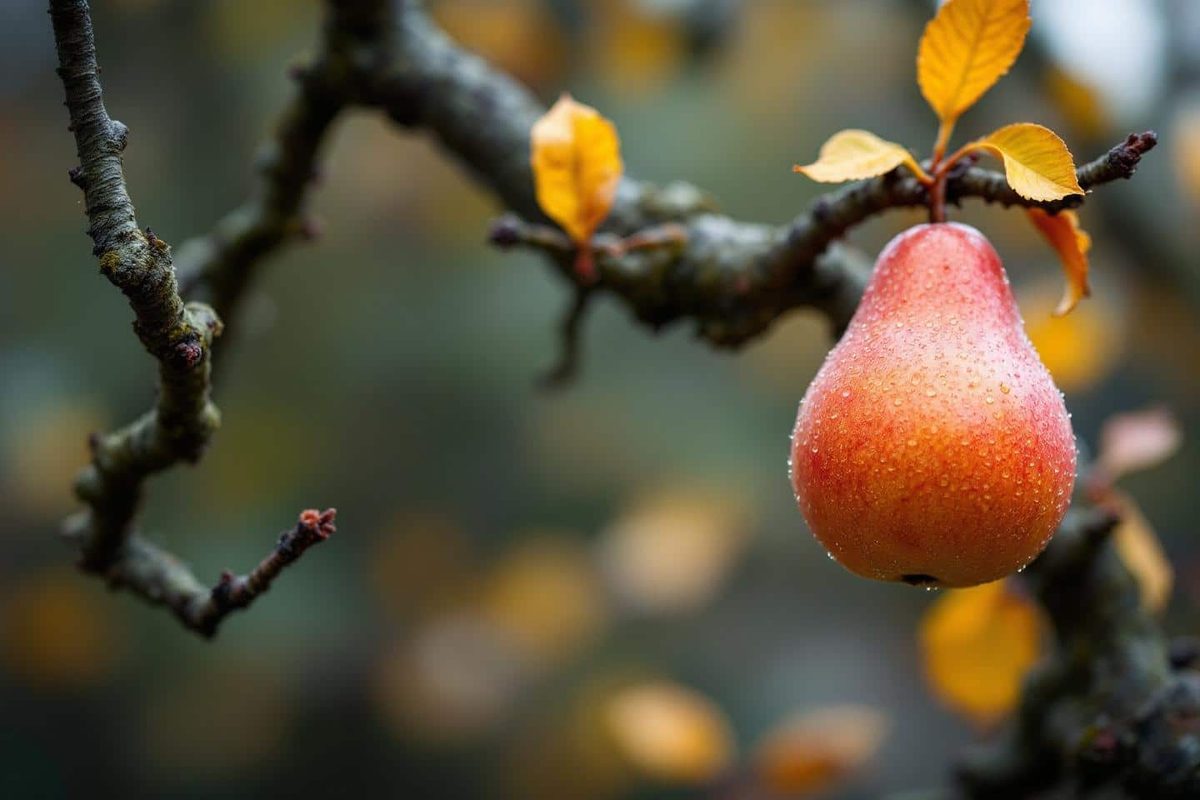
Imagine biting into a fruit so juicy and aromatic that your best local pear suddenly tastes like cardboard. The Asiatic pear, or Nashi, disrupts our culinary habits. It intrigues gardeners and gourmands alike. Yet, it remains one of the best-kept secrets in backyard orchards.
As autumn settles and November marks the vegetative pause in the garden, the timing is right. This is the ideal moment to discover the tree that promises early, spectacular harvests. You might even decide to invite it into your own yard. Ready to succumb to the temptation?
The Nashi: A Cousin to the Classic Pear
The Nashi, also known as the Asian pear or Japanese pear, fascinates with its round shape and crunchy texture. It recalls both an apple and a pear. This uniqueness attracts those wanting to diversify their orchard and surprise their taste buds.
Unlike the European pear, the Nashi is often compared to a hybrid fruit. Its freshness surprises with every bite.
Origins and Growing Secrets from Asia
Originating from the Far East, the Asiatic pear has quietly established itself in French gardens for decades. This robust plant requires few pesticides and resists diseases well. It thrives in temperate climates and well-drained soils. Its hardiness makes it a valuable ally for enriching your orchard without costly or complex treatments.
Identifying the Fruit That Makes You Forget the Rest
Its appearance is unmistakable. The skin is golden yellow, sometimes speckled. The flesh is both soft and crunchy. It yields abundant juice. A delicate perfume emanates from it. Its flavor, mixing subtle floral notes with a hint of honey, eclipses standard store-bought pears. When stored properly, Nashi fruits maintain their freshness and crunch for weeks.
Planting Your Nashi for a Promising Harvest
Choosing the Ideal Spot: Sun, Soil, and Companions
To give your Nashi the best start, a sunny corner sheltered from strong winds is ideal. Amended, light, and draining soil will encourage root establishment and prevent moisture from stagnating at the base of the young tree. Some growers associate this pear with companion plants like comfrey or low-growing vegetables to optimize garden biodiversity.
Smart Moves for Beginners: Spacing, Staking, Mulching, and Winter Recovery
In early November, when sap has receded, plant the young Nashi leaving 4 meters of space between trees. This ensures good aeration. Staking is highly recommended: a sturdy stake keeps the trunk straight against wind or frost, both common at the start of winter.
A thick layer of mulch at the base of the trunk protects the roots from cold and limits weed regrowth. The natural hardiness of this tree favors its recovery as soon as the spring warmth returns.
Small Tips to Boost Hardiness and Growth
To stimulate the vigor of the Nashi, add well-rotted compost to the planting hole. Provide regular but moderate watering during the first few weeks. Avoid water excess and overly rich nitrogen fertilizers, which would favor foliage at the expense of fruit.
A light prune in winter is enough to direct branching. This prepares the tree for a bountiful fruiting set the following summer.
The Magic Works: When and How to Savour Your First Harvest
When Do Fruits Reach Peak Flavor?
Nashis ripen in mid-summer, between July and September depending on the climate. However, planting in autumn allows the tree to establish itself deeply during the winter. Patience is rewarded. You may harvest fruits from vigorous subjects in as little as the second year.
Harvesting Successfully: Signs of Maturity and Methods
To pick the Nashi at the peak of its flavor, observe its golden color. Smell its sweet aroma. Feel the softness of its skin under your finger. Unlike the European pear, the Nashi must be harvested fully ripe on the tree. A simple quarter turn is enough to detach the fruit.
Prioritize morning harvesting when fruits are still cool and dew is present.
The Incomparable Taste of Nashi
Biting into a Nashi guarantees an explosion of freshness in the mouth. It combines a crunchy texture with deliciously sweet juice. Its delicate and persistent flavor unites young and old alike.
Far from the slightly mealy texture of classic pears, the Nashi seduces with its originality. It awakens the desire to taste, whether in the garden or in the kitchen.
Raw textures and crisp salads
Forget everything you know about traditional pears. The Nashi is an apple in disguise—a crunchy, juicy hybrid that demands respect. You can eat it peeled or unpeeled. The skin is thin. The flesh is white and grainy. It does not brown quickly. This makes it ideal for salads where presentation matters.
Slice it thin. Toss with walnuts. Add a light vinaigrette. The contrast between the soft dressing and the firm fruit is striking. It works with fresh cheese too. Goat cheese or ricotta adds a tang that cuts through the sweetness. Keep it simple. Let the texture do the talking.
Baking with Asian Pear: Not Just for Pie
Most home bakers stick to Bartlett or Bosc pears. They break down nicely. The Nashi holds its shape. This is a feature, not a bug. If you bake a Nashi into a tart, it stays distinct.
Try a thin tart. Use ginger. Grate fresh ginger directly into the filling. Add a drizzle of honey. The spice wakes up the mild flavor of the pear. It is aromatic without being overwhelming.
Crumble lovers can mix classic pears with Nashis. The combination creates a textural surprise. One soft. One crisp. It breaks the monotony of standard autumn desserts. It forces you to think about mouthfeel.
Storing for the Long Haul
Nashis have a shelf life that defies most stone fruits. Keep them cool. Store them individually. Wrapping each fruit in paper prevents bruising from neighbors. They can last several weeks this way.
This longevity is useful. You can harvest once and eat for months. It also makes them perfect for sharing. Give them away in winter when fresh local fruit is scarce. Your neighbors will be impressed. It is a rare find in standard grocery stores. It feels like a secret you have discovered.
Why Plant a Nashi Tree?
Adding an Asian pear tree to your garden changes the game. It introduces diversity. Most home orchards are repetitive. One apple variety. Another. A Nashi stands out.
The tree is tough. It adapts well. Beginners can grow it. It requires standard care but rewards you with heavy yields. The fruit is unusual. The tree is ornamental. It offers something different at every stage of growth.
Year-Round Care Instructions
Planting is the easy part. Maintenance is where you win. Prune in winter. Do this during dormancy. Shape the tree early on. Remove competing branches. This opens the canopy. Sunlight reaches the fruit.
Water during dry spells. Young trees need consistent moisture. Mature trees are more resilient but benefit from deep watering. Add compost in spring. This kickstarts growth. It provides nutrients without forcing explosive, weak growth.
Monitor for pests. Asian pears can attract specific insects. Keep an eye on the leaves. Early detection saves the crop. A little attention goes a long way. You do not need to be an expert. Just be consistent.
The Joy of Cultivating Something Unique
Growing a Nashi is about curiosity. It invites experimentation. Share your findings. Trade cuttings. Talk to other gardeners. The community around these trees is growing.
It transforms your garden. You are not just growing food. You are growing an experience. The fruit is flavorful. The tree is beautiful. It brings a sense of wonder to your outdoor space.
Autumn is the best time to plant. The ground is still warm. The tree establishes roots before frost. You will be rewarded with fruit the following season. It is a promise of future harvests.
Are you ready to step away from the ordinary? The taste of a Nashi is different. It is crisp. It is sweet. It is unexpected. Your garden can offer that. Start small. Plant one tree. Watch it grow. The rest will follow.