The fresh autumn air has arrived. You stood there, blanket in hand, staring at the heater controls. Should you turn it on? If you guess wrong, your utility bills could skyrocket before winter arrives. Why does your heating system seem to be working at full capacity in October? A small adjustment can make all the difference. It brings you convenience and saves you money too. Learn how to take precautions before the weather turns bad.
Why heating costs rise in the fall
We all have bad habits. You just came from a walk. you are cold. You raise the temperature of the thermostat by a few degrees. You think it is minor. It is not. These small excesses add up quickly. In France, heating accounts for 60 percent of household energy consumption. If you deviate from it, it will have a serious impact on your wallet.
Common mistakes include:
- Leaving the heat on while sleeping or are away for several hours.
- Heat all rooms, even those that are not in use.
- Open the windows a little and increase the heat to compensate for the cold air.
Thermostat mistakes most people make
Most thermostats have precise settings. Most people ignore them. They turn the dial based on “feeling.” Adjust the whole house to the same temperature. Some people keep changing the temperature thinking they can heat the room faster. This is not true. It will only strain your system and consume more energy.
Ignoring the thermostat is leaving money on the table. You may not notice the waste until the bill arrives.
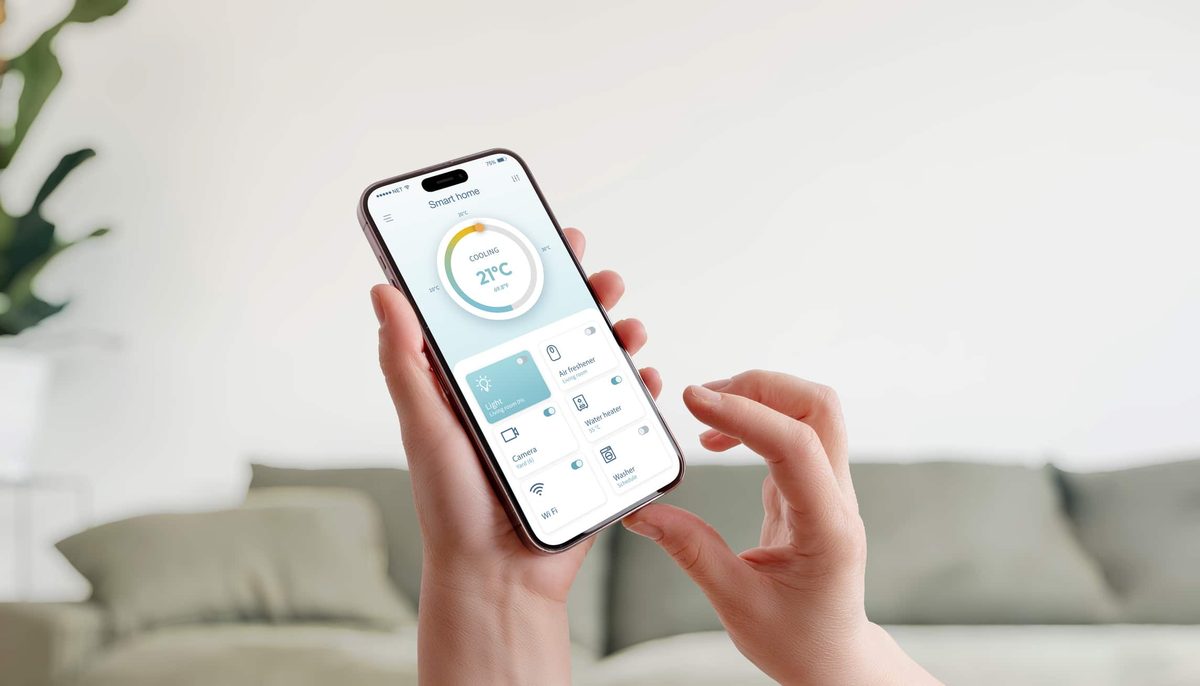
Smart thermostat control
The secret to saving money this fall is simple. Set the thermostat to the correct temperature. Then, do not touch it. Don’t give in to the urge to turn it up because you feel a chill. The most effective measures are also the simplest.
- Adjust the living room temperature to 19 °C. Set the night temperature in the bedroom to 17°C.
- Use Eco mode or night mode when you go out, even for a short time.
- Avoid sudden temperature increases. It just stresses the system and burns more energy.
Direct benefits: savings and comfort
This small change can reduce heating consumption by up to 15% throughout the season. Contrary to popular belief, stable temperatures improve thermal comfort. Fewer unpleasant fluctuations. Humidity is low. Reduces the risk of accidental overheating.
By taking early action, you can prevent the winter “rebound effect”. Then your home overheats to compensate for the previous cold.
Ideal room temperature
Convenience and savings go hand in hand. Please note the following benchmarks.
- Living room: 19-20 °C. This is sufficient for most operations.
–Bedroom: 17 °C. Add a degree for a nursery. - Bathroom: 21 °C. Only during usage hours.
- Unused room: 16 °C. pantry, entrance, etc.
What Not to Do With Your Thermostat
- Do not set the temperature above 21 °C. Each additional degree costs more.
-** Do not turn the heat off completely. ** Thermal shock may occur. The system works for a long time to return to the target temperature. - Do not place the thermostat near heat sources. Avoid exposure to lamps, ovens or direct sunlight. Also avoid cold places such as drafty windows. These give false readings.
More tips for increasing your savings
Optimize your heating plan
Adjust the heating to match your actual daily life.
- Lower the temperature at night or when no one is around.
- Schedule a slight rise before you return. This helps to avoid cold shock.
- Prefer short and efficient heating instead of continuous and wasteful heating.
Accessories to improve efficiency
- Thick curtains: Keep the heat inside even after dark.
- Reflector: Placed behind the radiator. Prevents heat from escaping into the walls.
- Door draft stopper and seal: Prevents draft that increases consumption.
These simple accessories are easy to install. The costs are very low. They make a noticeable difference.
Key Takeaways for a Warm Autumn
A simple thermostat adjustment can change your fall experience. Expenses are reduced. Feel more comfortable. You can finally control your energy use. Throw away unnecessary heat peaks. Develop good habits that fit the season. Invest in small improvements. Enjoy the mild autumn weather without worrying about the bill.