You comb your hair every morning. This is muscle memory. I don’t think about what’s in my hands. Grab it, rake it up by the roots, and get on with your day. But this practice is lying to you. A hairbrush does more than just detangle. This is a dirty sponge. This pushes the dirt back into the scalp.
Most bathrooms in France have this setting. The brush was there. Wait. No one cleans it. This is a low priority. Low priority for a reason. We thought it was just hair. Remove lumps. We throw them in the trash. that’s it. But what exactly is between those hairs? It’s not just a stray line. This is a flake. This is city dust. This is leftover hairspray. This is tallow.
Things like that piled up. Quickly. This is not good.
Your hairbrush is a treasure trove of hidden impurities, and you apply it to your scalp every day.
Dirty brush biology
Don’t think of a brush as a tool. Let’s think of it as an ecosystem. More specifically, a petri dish. Whenever I spin it on my head, I just don’t move my hair. We collect invisible pieces. dust in the air. Dead skin cells on the scalp. The natural oils your body produces keep your skin moisturized. Tallow. This is the most important thing. Tallow is very oily. It covers your brush. It captures everything else.
Then there is the product. oil. gel. dry shampoo. paint residue. They make the cake together. They make up the movie. A sticky slick of oil that no one wants to touch. It’s not just ugly. It is biofuel.
Bacteria love this. Yeast loves this. The warm, humid environment of a typical bathroom facilitates this process. They create growth platforms. Dermatophytes (fungi that cause itching and dandruff) find a perfect home in this dirt. The pollution particles from the road stick to the hair. Apply it to the scalp with a brush.
The cycle is closed. you wash your hair You let it dry. you take it. you polish it. The brush removes all accumulated bacteria and dirt back to clean hair. This is the direct cause of pollution. Every stroke undermines your hygiene efforts.
Why Ignoring Brushes Can Ruin Your Daily Life
People ignore this because the results are not immediate. Bacteria on the skin are invisible. No smell until the yeast grows. But the damage accumulates. It is very subtle. This is why your hair remains sticky even after shampooing. This is why your scalp doesn’t itch. This is why pimples appear on the hairline and neck.
Brushes are vectors. Unknown carrier of impurities. There is no harm in ignoring the cleaning process. It’s a game changer. A simple treatment can cause health problems. Sediment hidden in your brushes is sure to interfere with your daily life. This will make your hair look bad. Your scalp may deteriorate. This is completely preventable.
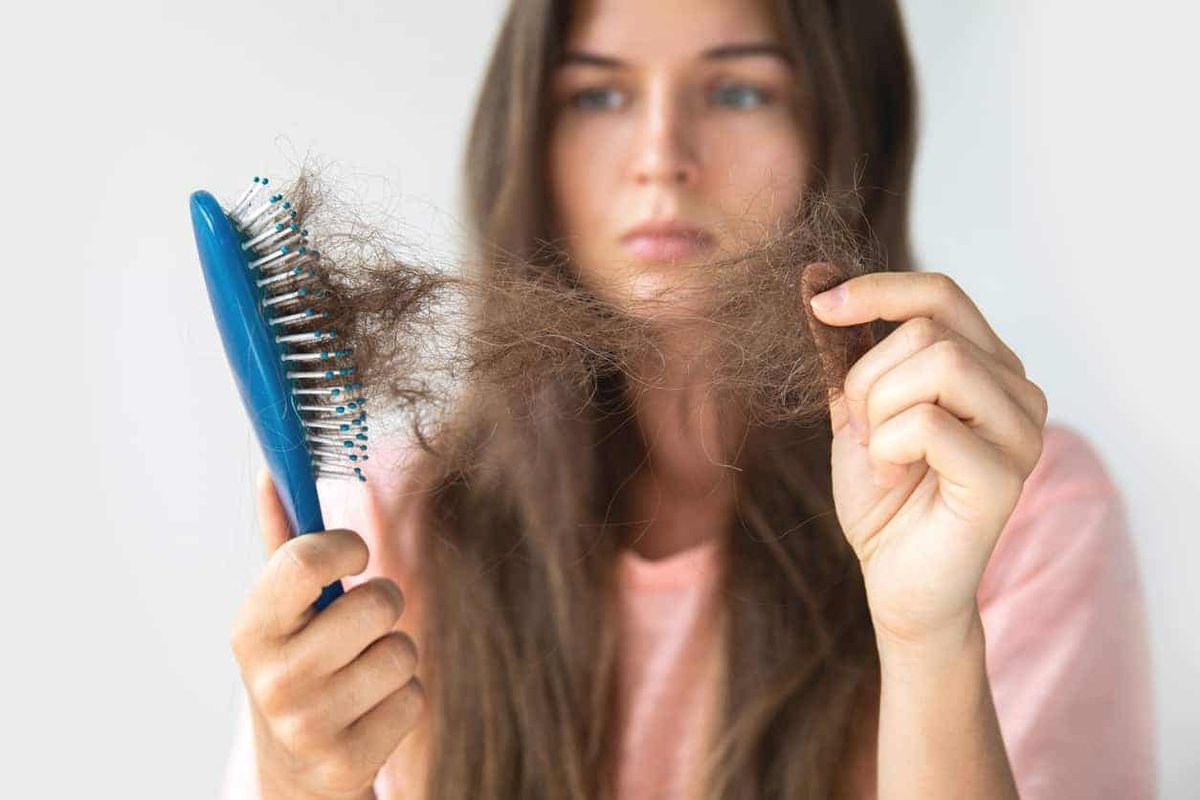
A dirty hairbrush doesn’t just look bad. It actively ruins the hair. You may wonder why expensive shampoos don’t work. The culprit is probably the gunk packed between the bristles. This build-up collects sebum, dead skin and residue from styling products. It coats your strands. Hair looks flat. It feels heavy. It refuses to hold style.
This is not just an aesthetic problem. This is a health issue. This dirt becomes a breeding ground for bacteria. These microorganisms live on your scalp. Pimples may form at the hairline. May irritate the skin. They even cause lingering odors in the bathroom. When you run a dirty brush through clean hair, you end up redepositing all that waste. Your efforts will be wasted.
Neglecting this small task can turn a daily accessory into invisible source of invisible contamination.
The good news is that it is very easy to fix. No special tools or strong chemicals required. It only takes 1-2 minutes a month. Here’s how to get your brush and shine back.
Brush care instructions
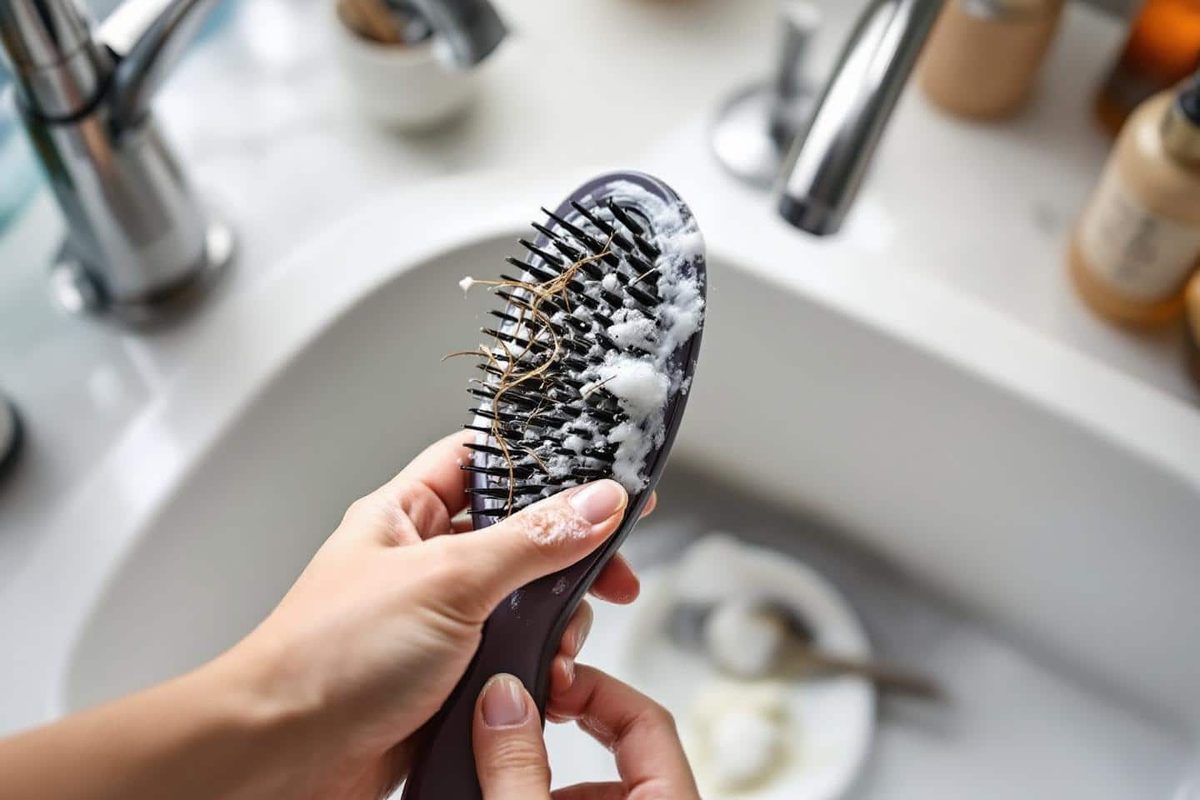
Remove the hair first. It sounds obvious, but many people overlook it. Use your fingers or the tip of a comb to remove each strand. Don’t rush this. If you leave hair in there, it acts like a sponge and collects dust and dirt. Immediate removal reduces the surface area for bacterial growth.
Once the hair is gone, it’s time to wash. Fill a basin with warm water. Add a few drops of mild detergent. This is enough for standard plastic or metal brushes. If you have a wooden brush, use a mild shampoo. Strong cleaning agents can cause the wood to warp or split.
- Soak the brush head in water.
- Swirl it around gently.
- If necessary, use an old toothbrush to scrub between the bristles.
- Rinse thoroughly with running water.
Allow to dry completely. Never put a wet brush back into a drawer. Moisture can cause mold growth. It’s best to leave it out on the counter to dry.
Why this is important for your scalp
You might think a quick rinse is enough. This is not true. Bacteria and yeast love the dark, moist environment of used brushes. Over time, this microbial load increases. It can cause dandruff and itching. It exacerbates oily roots. You can reset this balance by cleaning your brush every month.
For deeper disinfection, add a capful of white vinegar to the rinse water once a year. This is especially important if several people in your home share the same brushes. Vinegar kills stubborn microorganisms without damaging the bristles.
The results are immediate. Your hair will feel lighter. It will have more bounce. Your scalp will stop itching. No more lingering old hair smell in your bathroom. It sounds small, but it makes all the difference. Protect your investment in hair care products. It protects your skin.
Don’t ignore the tools that touch your head every day. It deserves a little care. Please do it now. Your next wash will finally feel like a wash.