Wasp stings hurt, and for some people, they can trigger dangerous allergic reactions. Knowing how to get rid of wasp nest issues before they escalate is one of those home maintenance tasks that feels urgent the moment you see the first worker flying. You don’t want these insects living in your walls, eaves, or under your porch. This guide breaks down exactly how to identify the nest, assess the risk, and remove it yourself if it is safe to do so. If the situation is out of hand, you will know when to hand the keys to a professional pest control company.
Identify the species and nest location first
Before you grab a spray bottle, look at what you are dealing with. There are over 30,000 species of wasps, but homeowners usually run into three main types: yellow jackets, paper wasps, and mud daubers.
- Yellow Jackets dig into the ground or nest in hollow trees. They are aggressive and often found near porches.
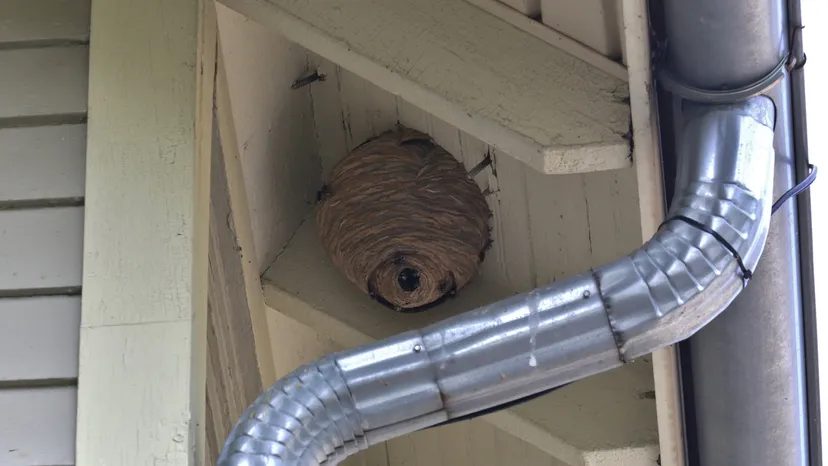
- Paper Wasps build those familiar, open-comb nests that look like an upside-down umbrella. They prefer eaves, tree branches, and attic spaces.
- Mud Daubers create small, tube-like structures out of mud on garage walls, under eaves, or on the exterior of buildings.
The distinction matters because yellow jackets are generally more defensive than paper wasps. All of them can sting repeatedly. Unlike honeybees, wasps do not lose their stinger after a strike. Worse, if you startle the colony, a single wasp releases a pheromone that alarms the rest. That chemical signal turns a nuisance into a swarm. Assess the size of the nest and its location. If it is small and accessible, you might handle it. If it is deep inside a wall cavity or massive, stop and call a pro.
Timing is everything for DIY removal
If you are taking this on yourself, do not go at midday. Wasps are sluggish when it is cool and dark. Plan your removal for the evening or early morning. The insects are less likely to be flying around, which reduces the chance of getting stung and makes the spray more effective.
There is also a seasonal angle. Early spring is the best time to look for nests. The colony is small, the queen is alone, and the population has not exploded yet. By summer, a single nest can house thousands of wasps. Catching it early saves you the hassle and the danger.
Gear up for protection
Protective clothing is not optional. It is a requirement. You need to cover every bit of skin.
- Thick, long-sleeved shirt and pants.
- Heavy-duty gloves.
- A hat with a wide brim.
- A face net or hood if you can get one.
A face net is especially important for protecting your neck and head. A sting in the throat area is far more dangerous than one on your arm. Dress like you are going into a volcano. It sounds overkill, but it is the only way to minimize risk.
Choose the right removal method
Once you are suited up and the sun is down, you have a few options.
Use a commercial wasp spray
These are designed to kill wasps on contact. Look for a long-range spray. You want to hit the nest from a safe distance. Follow the bottle instructions exactly. Do not spray in high winds. If the wind blows back, you are breathing chemical fumes and getting stung at the same time.
Try a homemade soap spray
Mix water and dish soap in a standard spray bottle. The soap clogs the wasps’ spiracles, which are how they breathe. They die quickly. This works best on smaller colonies. Spray the nest directly. It is less potent than commercial sprays but effective for small infestations.
Set a trap to thin the population
If the nest is stubborn, you can try to weaken the colony first. Create a simple trap using a bottle or a dish. Fill it with something sweet: fruit juice, jam, sugar water, or wine. Place it near the nest area. The wasps will go in to feed and may not find their way out. This reduces the number of insects you have to deal with when you apply the final spray.
When to call a professional pest control company
There is a line where DIY stops being smart and starts being reckless. If the nest is in a hard-to-reach place, like high up on the roof or deep inside a wall, hire a professional. If the colony is large, hire a professional. If you have a history of allergic reactions to stings, hire a professional.
Pest control companies have the right equipment, the proper protective gear, and the expertise to remove the nest without causing a swarm. They can also seal entry points so the wasps do not come back.
Prevention and final thoughts
Removing the nest is step one. Preventing the return is step two. Wasps like to return to the same spot if the entry point is still open. Seal gaps in your eaves, roof, and siding. Keep food and garbage covered. Remove standing water.
Wasp infestations are a common part of home life, especially in warmer months. You do not have to live in fear. Identify the nest, pick the right time, protect your body, and choose the right tool. If it feels too big or too close to your living space, step back and let the experts handle it. Your safety is worth more than a DIY project.
How to Prevent Wasps From Building Nests Near Your Home
Keeping wasps away before they settle is often easier than evicting them after. You need to inspect your property regularly. Specifically, look for early signs of nest building. Check the eaves, the gutters, and the dense shrubbery near your windows.
Maintain your fruit trees. Wasps love overripe fruit. If you have apple, peach, or plum trees, prune them properly and pick up fallen fruit. Do not leave rotting apples on the grass. They are a beacon.
Cover your trash bins. Even a small gap lets scent escape. Wasps follow the smell. Tight lids, or a second lid if the first one doesn’t fit snugly, stops the signal.
Wasps are territorial. They generally do not like to build near an existing colony. This behavior gives you an easy trick. Hang fake wasp nests in your yard. You can buy them online or make your own with paper and string. Place them near entry points, like the back door or the patio. It is a cheap deterrent that works without chemicals.
How to Stop Wasps From Entering Your Attic and Basement
Preventing wasps from getting inside is just as important as managing the ones outside. They need a dry, protected place. Your home has plenty of those.
Seal the cracks. Use exterior-grade caulk or expanding foam for larger gaps. Focus on the areas where pipes enter your house. Check the foundation. Look for gaps in the siding.
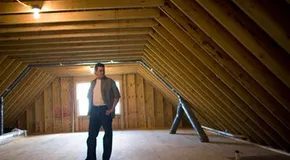
Pay special attention to your attic. This is a favorite nesting spot. It is warm, dry, and rarely inspected. Open your attic hatch and look. Do not just glance. Look. Check the joists. Check the rafters. If you see a thin layer of debris or a papery structure, you have a problem.
The basement is the next target. Check the corners where the walls meet the floor. Look behind the furnace. Wasps love these dark, sheltered spots. If you find a small, paper-like nest, remove it carefully. Wear long sleeves and gloves. Use a long-handled stick to knock it down, or bag it if it is small enough. Do not get close. Keep your face back.
Which DIY Methods Actually Work for Wasp Control
You do not need a professional for every nest. If the nest is small and accessible, you can handle it. But you need the right approach.
Do not use water. This makes them angry.
Do not use smoke. This drives them into the walls.
If you must remove a nest yourself, wait until night. Wasps are less active after dark. They do not have the same visual acuity at night. This gives you a window to work.
Wear protective gear. Long pants. Long sleeves. Gloves. A face mask or net if you have one. Tape the mask to your shirt so it does not fall off.
Use a wasp spray if you have one. Aim at the entrance hole, not the whole nest. This chokes them out. Let the spray work. Do not disturb it for 24 hours.
If the nest is high up, or if you are unsure, stop. Call a pest control expert. The risk of a severe sting is not worth the risk of a fall from a ladder.
“Pre