Nearly half of your monthly utility bill is tied to heating and cooling. That money is evaporating through your attic. Your roof is your first line of defense against the elements, yet most homeowners ignore its role in home efficiency. A poorly insulated roof lets summer heat bake into your living space and winter warmth escape into the sky. The result? Astronomical AC and heating bills.
Investing in an energy-efficient roof isn’t just about curb appeal. It is a financial move. High-quality materials resist UV radiation and extend the lifespan of your shingles. More importantly, they stabilize indoor temperatures. This reduces the load on your HVAC system. You save money in the long run.
Understanding Solar Reflectance and Emittance
Not all roofs are created equal. The most efficient products rely on two physical properties: solar reflectance and emittance.
Solar reflectance is the ability of a surface to reflect solar energy back into the atmosphere. If a roof absorbs sunlight, it heats up. That heat transfers into your attic and living areas. High reflectance keeps the surface cool. It can lower roof surface temperatures by up to 30 percent.
Emittance is the ability of the roof to release any absorbed heat. A material can be reflective, but if it traps the heat it does absorb, it will eventually radiate that warmth inward. You want both. High emittance ensures that any heat picked up during the day radiates back out at night. This cycle keeps your home cooler in the summer and reduces the strain on your air conditioner.
The Role of Insulation and R-Value
Reflective shingles are only half the equation. Insulation is the other half. Without proper insulation, even the coolest roof won’t stop heat transfer between your attic and your living space.
R-value measures thermal resistance. A higher R-value means the material resists heat flow better. In cold climates, you need high R-value insulation to trap indoor heat. In hot climates, it prevents outdoor heat from penetrating inward. Properly insulated attics are non-negotiable for an energy-efficient roof.
Financial Incentives for Homeowners
Improving your roof’s efficiency might cost less than you think. Several regions offer financial incentives for upgrades. Homeowners in California, for instance, can receive tax rebates for increasing their home’s thermal insulation value. Check with your local utility provider or state energy office. You might be eligible for rebates on reflective roofing materials or insulation upgrades. These programs exist to encourage energy conservation. Do not leave money on the table.
Choosing the Right Materials and Color
When selecting roofing materials, look for the Energy Star label. This government-backed program identifies products that meet strict energy efficiency guidelines. Energy Star-rated roofs are highly reflective. They can reduce roof surface temperatures by as much as 100 degrees Fahrenheit (56 degrees Celsius).
Color matters. Light-colored roofs reflect heat. They are ideal for warmer climates. Dark-colored roofs absorb heat. They may be suitable for cooler climates where retaining solar gain is beneficial. If you live in a hot area but refuse to replace your roof, consider a reflective roof coating. These coatings can be applied over existing shingles. They can reduce surface temperature by 50 to 80 degrees Fahrenheit (28 to 44 degrees Celsius).
Material choices include asphalt, metal, wood, concrete, and tile. Concrete and clay tile have higher upfront costs but often prove more energy-efficient across all climates. Avoid unpainted metal or aluminum. They do not release energy efficiently.
Photovoltaic (PV) cells are an emerging option. These “solar roofs” generate electricity while protecting your home. They are expensive but can offset energy costs significantly over time.
Installation and Contractor Selection
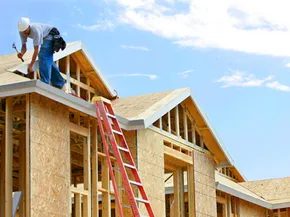
Saving money on materials means nothing if the installation is flawed. Poor installation creates gaps. Gaps let air and heat escape. You need a contractor experienced in installing energy-efficient roofing systems.
Verify their license. Ask about warranties. A good contractor offers a warranty that covers both labor and materials. This protects your investment. If the shingles fail or the sealant cracks, you are covered.
Exploring Green Roof Options
Green roofs are gaining popularity. They involve planting vegetation on the roof surface. This layer of soil and plants acts as additional insulation. It reduces storm water runoff. It improves local air quality. It mitigates the urban heat island effect, keeping cities cooler in summer.
A green roof also protects the underlying waterproofing layer from UV damage. This extends the roof’s lifespan. It adds aesthetic value. However, green roofs require structural support. They add weight to the home. They need maintenance. They are a significant investment. For most homeowners, a high-quality reflective roof with proper insulation is the more practical starting point.
Next Steps
Start by inspecting your current attic insulation. Check for gaps. Look for signs of heat loss in winter. If your roof is older than 10 years, consider its reflectance. Lighter colors or reflective coatings offer immediate benefits without the cost of a full replacement.
Research local rebates. Contact licensed contractors in your area. Ask for quotes on Energy Star-rated materials. Compare R-values. Make sure you understand the warranty terms.
Your roof is a barrier. Make it a strong one. The savings accumulate slowly, month after month. The comfort, however, is immediate.