Head lice are the stuff of parenting nightmares. They don’t bite to feed on blood from your pet’s bed. They don’t fly across the room. They hitch rides on hair, hats, and heads. But while the insects themselves move from scalp to scalp, their eggs (nits) and their exoskeletons can linger on your fabrics. If you’re dealing with an infestation, ignoring your laundry pile is a recipe for re-infestation. You need to kill them off completely.
The good news? Hot water and high heat are lethal to these pests. The bad news? It requires a systematic, somewhat tedious approach to ensure none survive.
Sort Your Loads Immediately
You aren’t just washing today’s clothes. You need to tackle everything that touched an infected person’s head or body during the 48 hours prior to starting treatment. This includes sheets, pillowcases, coats, hats, scarves, and hair accessories made of fabric.
Separate your laundry as you normally would. Delicates need special handling. Heavy towels and standard cottons can go straight to the deep clean. Do not mix delicate fabrics with the hot water cycle—they will shrink, bleed, or warp.
The Wash Cycle Strategy
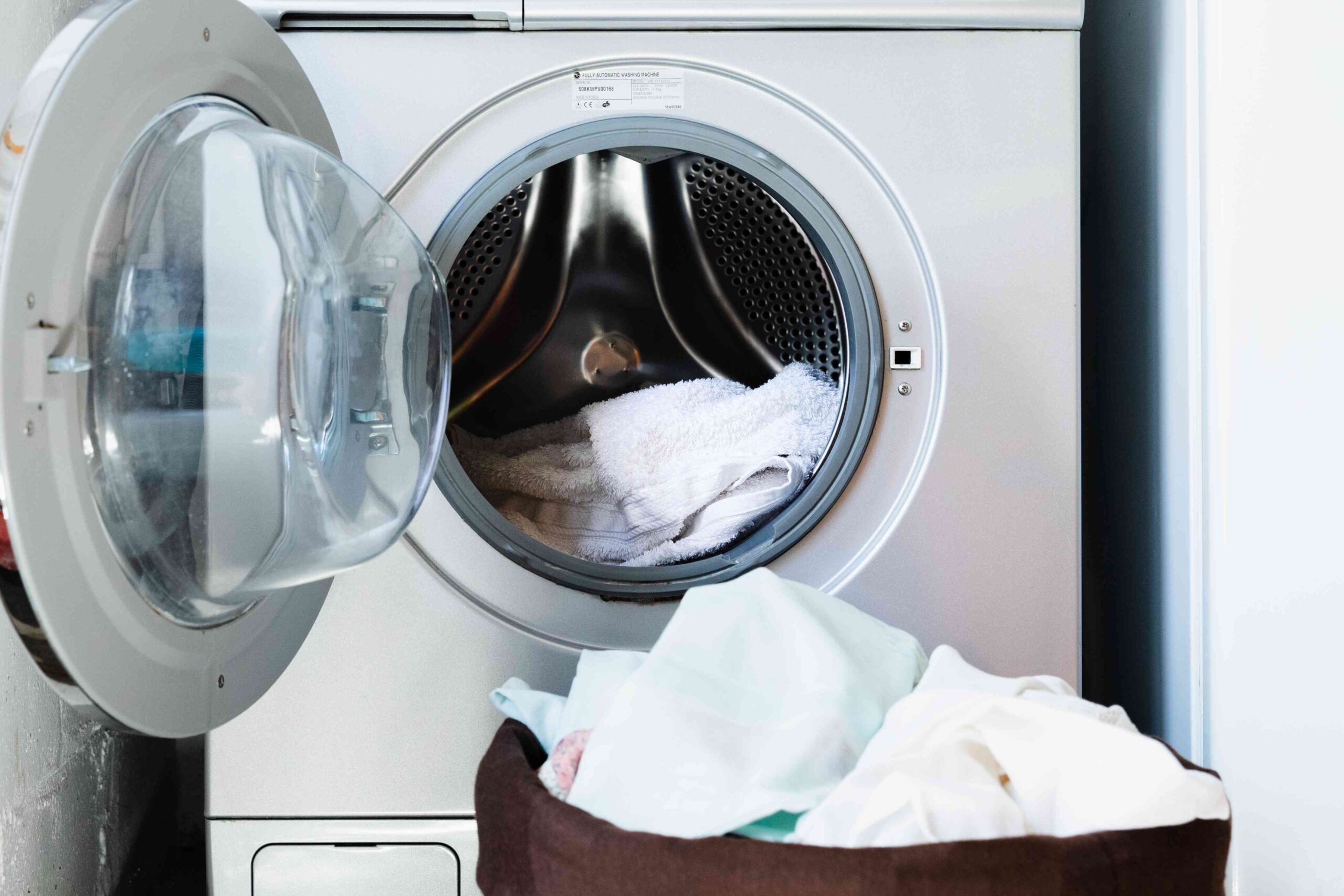
For standard clothes and linens, the rule is simple: hot water kills lice. Set your machine to use water at least 130°F (54°C) or hotter. Use your regular liquid detergent. The heat is the killer here; the soap just cleans the clothes.
Hot water is your best weapon against lice in fabric. Anything below this temperature might not guarantee elimination.
Delicates are the tricky part. Do not throw silk, wool, or lace into the hot cycle. Soak them instead. Fill a basin with warm water and add plenty of laundry detergent. Let those items sit for several hours. This prolonged soaking is sufficient to drown and kill any lice or nits clinging to the fibers. After soaking, wash them on a gentle, cool or warm delicate cycle.
Drying is Where You Win
Washing gets them off, but drying kills them. Toss your main loads into the dryer. Crank it up to the highest heat setting.
Here is a critical detail for modern homes: Disable all eco-settings. Newer energy-efficient dryers have moisture sensors that shut the machine off prematurely to save power. This is disastrous when you are trying to bake the lice. Turn off the eco-sensor or energy-saving mode. Let the dryer run on a high-heat cycle for at least 40 minutes. That duration is non-negotiable. The sustained heat ensures that even if the washer missed a spot, the dryer finishes the job.
For the delicates you soaked and gently washed? Let them air-dry. Heat isn’t required there because the soaking did the work.
What About Stains?
Lice don’t leave distinct biological stains, but their victims often do. If someone scratched their head bloody onto a pillowcase, you have tiny blood spots. These are cosmetic, but they look terrible.
Remove these with hydrogen peroxide, white vinegar, or your go-to commercial stain remover. A pre-treatment before washing usually does the trick.
Storing Items That Can’t Be Washed
What about that dry-clean-only coat? Or the heavy wool hat you don’t trust in a machine? You can’t just put them back in the closet.
Seal these items in a plastic trash bag. Tie it tight. Store the bag away for two full weeks. Without a human host to feed on, head lice starve and die within 1-2 days. Nits need warmth and CO2 from the scalp to hatch; they won’t survive in a sealed bag for long. After fourteen days, the risk is zero. Take the item out, shake it outdoors, and vacuum the area where you shook it to remove the dead debris.
Another option? Freezing. If you can’t wait two weeks, seal the item and put it in a freezer at 0°F for at least four hours. For thick, dense fabrics, it takes longer for the cold to penetrate to the center, so err on the side of caution and leave it longer. Vacuum thoroughly after removing the item from the freezer.
Frequency: Keep Going
This isn’t a “wash once and forget it” scenario. You must stay vigilant. Change and wash the bedding daily during treatment and for a few days after. If even one nit survives in the mattress or sheets, the infestation resets.
Expect to rewash clothes multiple times. You might have to treat the same item three or four times as it cycles in and out of the dryer. It’s annoying. But it works.
Why It Takes So Long
To understand why you’re scrubbing and drying for weeks, you have to look at the lifecycle. A female head louse lives for about 30 days on a human head. She lays up to six eggs a day.
Those nits incubate for 7-10 days. They hatch into nymphs. The nymphs mature into adults in another 10 days or so. If you kill the adults but miss the eggs, they hatch a week later, and you’re right back where you started. That is why the two-week storage rule is so important—it spans the entire incubation period for any eggs you might have accidentally sealed away instead of washed.
Outside the human body, an adult louse survives 2-4 days at room temperature (74°F) and only 1-2 days if it’s hot (86°F). Nits are more resilient but still struggle to hatch below 68°F. They need that body heat.
Final Considerations
You do not need to fumigate your house. You don’t need to wash your dog’s bed. Pediculus humanus capitis is a human-only parasite. It cannot live on cats or dogs.
Just remember: patience is key. Wash the hot items on high heat. Soak the delicates. Seal the rest. Wait the two weeks. Vacuum the floors and car seats where the infested person sat. It’s a chore, but once you break that lifecycle, they are gone.
So, are your sheets ready for the kill? Or are you just shaking them off and hoping for the best?