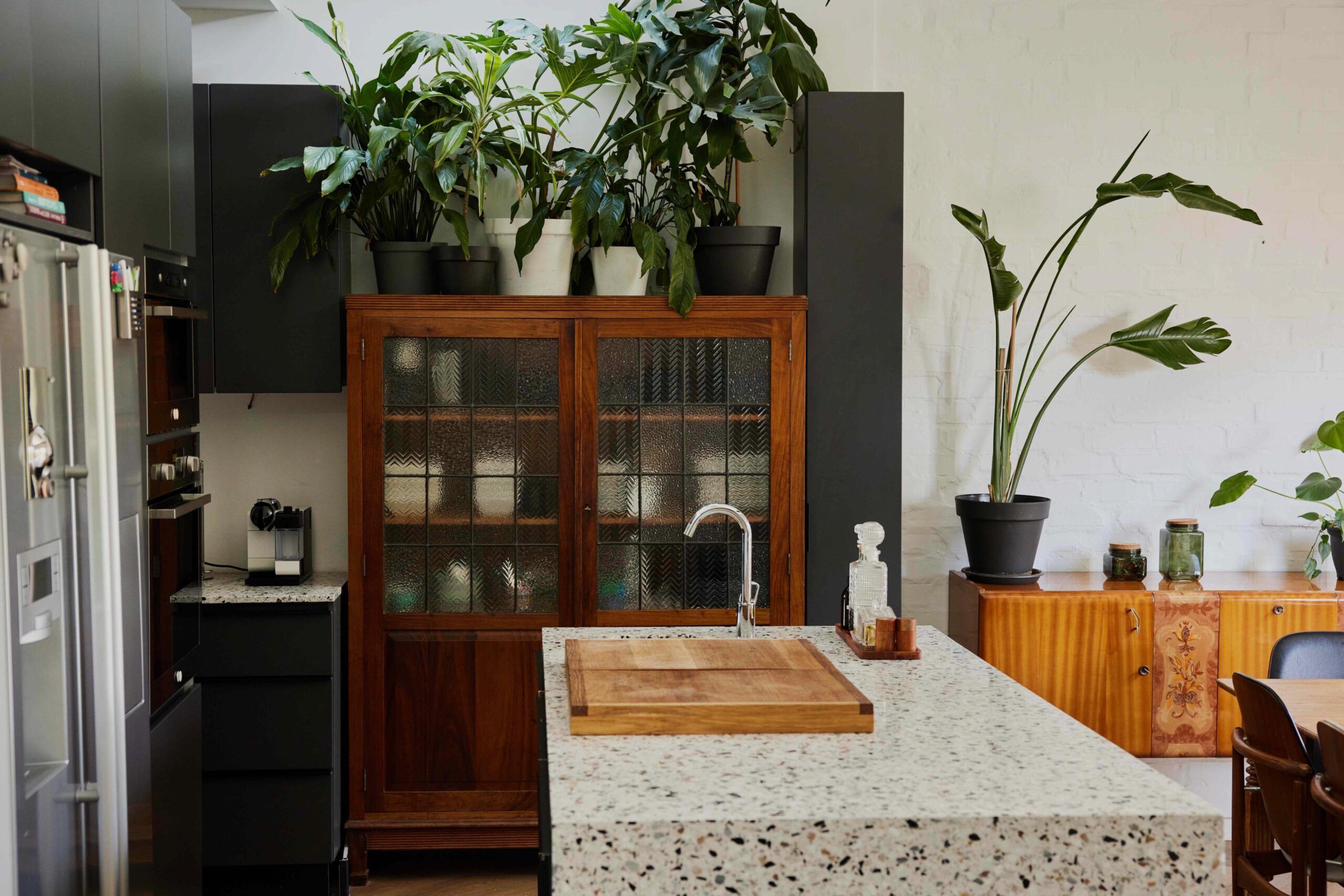
Kitchen renovations involve many choices, but the countertop material stands out: it’s expensive, labor-intensive, and covers a lot of ground. Designers reveal which materials clients most often regret after installation, offering practical advice for avoiding costly mistakes.
Quartz: The Illusion of Timelessness
Quartz countertops are popular for their initial low maintenance, but many homeowners later find them disappointing. The issue isn’t durability; it’s aesthetics. Quartz lacks the natural variation of stone, leading to a manufactured look that feels dated over time.
Lexie Saine, a designer, explains that the pattern repetition in veined quartz becomes noticeable, unlike natural stone that develops depth and warmth with age. Cheap quartz is even worse, yellowing and fading due to high resin content. For clients who want longevity, designers now steer them toward marble or quartzite instead.
Marble: Beauty Comes at a Cost
Marble is undeniably beautiful, but it demands caution. It’s porous and stains easily from common kitchen culprits like citrus, wine, and oil. Jordan Cashman of Sage Interiors notes that marble is the countertop clients most often want removed during renovations.
The solution? Dekton. This engineered material mimics the look of natural stone without the anxiety-inducing maintenance. It’s non-porous, stain-resistant, and handles heat and UV exposure without issue.
Concrete: A Trend That Doesn’t Last
Concrete countertops were once a major trend, but homeowners quickly learned their downsides. They crack, require frequent sealing, and show stains easily. Paul McManus of McManus Kitchen & Bath points out that concrete is also heavy and porous, making it impractical for many kitchens.
The result is a material that feels less like a refined patina and more like an ongoing problem.
Tile: A Relic of the Past
Tile countertops are making a comeback, but designers warn against them. Grout lines stain and are hard to clean, and the uneven surface isn’t ideal for food preparation. Edges chip as the kitchen ages.
The takeaway? These materials may seem appealing initially, but they often lead to regret. Choosing wisely upfront saves time, money, and headaches later.