Dill smells like pizza. And pickles. It’s versatile in the kitchen. It’s even better in the dirt. Most people grow it for the seed or the feathery greens. They forget what it actually does underground. Everything. It’s a magnet for the good bugs and a repellent for the bad. Aphids? Hate it. Spider mites? Run away. Ladybugs? They throw a party there.
It’s shallow-rooted. Slim stems. Fits anywhere. Squeeze it between broccoli or behind zucchini. You’re saving space, yeah. But you’re also buying insurance against pests.
Here is how to use dill’s charm to trick the ecosystem in your favor.
Corn
Earworms. Cutworms. The nightmare of late-season harvesting. Corn screams for help when they attack. Dill answers. Its intense smell lures in hoverflies. Ladybugs. They eat the things that eat your corn.
Plant it one foot away from the row. At the end. Not in the middle.
- Name: Corn (Zea mays )
- Zones: 2-11
- Light: Full sun
- Soil: Loamy. Well-drained. Acidic or neutral.
Asparagus
Aphids love asparagus. They really do. They’ll strip it bare before you finish your coffee. Dill seeds attract lacewings. Those little guys devour aphids like popcorn.
It’s also about real estate. Asparagus takes a while to fill out. Dill slips in there. They share the soil. Nutrients distribute evenly. Win-win.
- Name: Asparagus (Asparagus officinalis )
- Zones: 2-9
- Light: Full sun
- Soil: Sandy, loamy. Neutral or acidic.
Basil
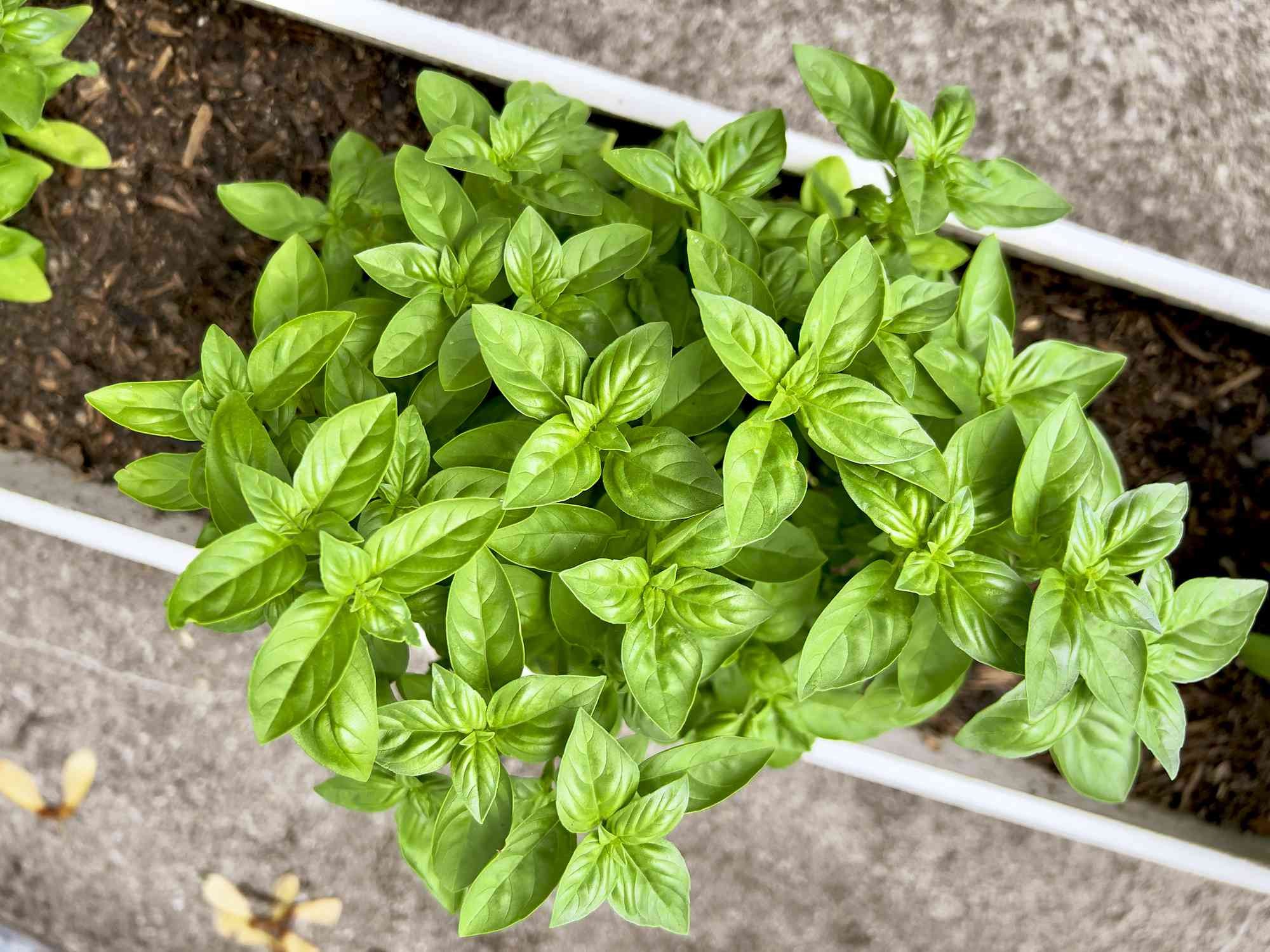
They’re cousins in spirit if not in taxonomy. Basil and dill. Same soil needs. Same bug buffet. They attract the same friends. Repel the same enemies.
If you are building an herb bed? Put them together. No thinking required.
- Name: Basil (Ocimum basilicum )
- Zones: 10-11
- Light: Full sun
- Soil: Moist, rich, draining. Acidic to alkaline.
- Deer resistant: Yes.
Broccoli
And cauliflower. Kale. Brussels sprouts. The whole brassica family. These are leafy targets for cabbage loopers and worms. Dill is the bodyguard.
Cabbage moths hate dill’s scent. Loopers steer clear. Plant dill next to these greens. You keep the heads whole. You keep your dinner plans intact.
- Name: Broccoli (Brassica oleracea var. italica )
- Zones: 2-11
- Light: Full sun
- Soil: Moist, loamy. Acidic, neutral.
Marigolds
Dill isn’t bulletproof. Slugs come for it. Caterpillars show up eventually. Marigolds step in to save the day.
Marigolds repel those specific dill-predators. They also like onions and squash. They’re the bouncers of the garden world.
- Name: Marigold (Tagetes spp.)
- Zones: 2-11
- Light: Full sun
- Soil: Moist. Drained. Slightly acidic to neutral.
Lettuce
Why is lettuce so fast? Because it grows quick. Spinach, chard, the lot. By the time your dill reaches for the sky, you’ve harvested the lettuce twice.
Pests hate leafy greens. Dill scares them off. The timeline just works. You eat greens while waiting for dill flowers. Efficiency matters.
- Name: Lettuce (Lactuca sativa )
- Zones: 2-11
- Light: Full sun. Or partial.
- Soil: Loamy. Rich. Drained.
Onions
Dill hates aphids. Onions hate aphids too. Combine them and the scent barrier becomes a wall.
It’s confusing for bugs. Can’t smell their prey through that double-strike aroma. Gardeners know this trick. Old school.
- Name: Onion (Allium cepa )
- Zones: 4-9
- Light: Full sun
- Soil: Loamy. Drained. Neutral.
Beans
Beans feed the soil. Nitrogen fixing roots. Dill defends the perimeter. It’s a transaction. Beans give nutrients. Dill kills the beetles threatening the pods.
Short beans. Bush varieties. They fit with dill perfectly.
- Name: Common bean (Phaseolus vulgaris )
- Zones: 2-11
- Light: Full sun
- Soil: Loamy. Moist. Drained. Acidic.
Nasturtium
Like marigolds. Edible. Pretty. And mean to bugs.
Nasturtiums double down on what dill starts. They attract predators. They draw in pollinators. The scent combination repels pests better than either plant alone.
They taste spicy. The bugs don’t.
- Name: Nasturtium (Tropaeolum spp.)
- Zones: 2-11
- Light: Full sun
- Soil: Moist. Drained. Any pH really.
Chives
Another allium. Like the onion. But smaller. Smellier in a different way.
Chives deter spider mites. Dill does too. Together? You’ve got a pollinator highway right there. Bees love it. Neighbors get healthy fruit and veg as a side effect.
- Name: Chives (Allium schoenoprasum )
- Zones: 4-8
- Light: Sun. Or light shade.
- Soil: Loamy, sandy. Acidic to neutral.
Zucchini
Zucchini gets huge. Bushy. Shade casts wide. Most companions die under there.
Not dill. Dill is thin. Air flows through. Light hits the ground. Plus? Zucchini invites beetles. Flea beetles. Squash beetles. Dill calls in the wasps and lacewings to handle it.
It doesn’t block the sun. It protects the stem.
- Name: Zucchini (Cucurbita pepa )
- Zones: 3-11
- Light: Full sun
- Soil: Rich. Loamy. Moist.
Cucumber
Dill and cucumbers. They’re best friends. In the jar. And in the bed.
Cucumber beetles? Disaster. Dill brings the wasps. Parasitic wasps specifically. And green lacewings. They feast on the beetles. The cucumber stays crunchy. The pickle remains sweet.
- Name: Cucumber (Cucumis sativus )
- Zones: 2-11
- Light: Full sun. Or partial shade.
- Soil: Rich. Draining. Acidic to neutral.
Don’t Plant These
Some neighbors fight. Dill gets along with almost everything. Almost.
It doesn’t play nice with every crop. You don’t want competition. Or cross-pollination disasters. Or just plain bad chemistry.
There’s a list. Usually it involves tomatoes. Sometimes fennel (a dill rival, basically).
Do the research before digging. Or watch your garden turn into a battleground. You might end up with no harvest. Just weeds and regrets.
The soil is waiting. Choose wisely.