Plants get sick. Not like a human gets sick with a fever, but they rot. They spot. They crumble. And often? The culprit is fungus.
It’s persistent. Indoor plants suffer it. Outdoor gardens deal with it too. Fungi live off plant energy, sucking it dry until the leaf wilts and the stem blackens. It looks messy, it smells sometimes worse, and if you ignore it, the plant dies. Simple as that.
The Usual Suspects
You will see these patterns before long. Whether you grow rare houseplants or just keep a stubborn pothos on the windowsill, these are the infections that show up:
- Leaf spot : Random dots on the foliage. Brown, red, yellow. They vary in size, block the sun from reaching the leaf surface, and stunt growth. A nuisance that opens the door to bigger problems.
- Black spot : Roses hate this. It leaves large, distinct black marks on leaves and stems. The infected parts just fall off. Gone.
- Rust : Sounds rusty, looks like rust. Powdery masses in orange, red, or brown shades. Over time, it kills the foliage outright.
- Powdery mildew : Literally powder. White or gray dust sitting on top of your leaves. It doesn’t always kill the plant quickly, but it looks terrible. Can you blame a gardener for wanting it gone?
- Blight : Circles that grow into one big, dying mess. Often surrounded by a yellow halo. Leads to total leaf drop or death of the entire plant.
Some spores fly through the air and stick to leaves. Others lurk in the dirt, attacking the roots. If the roots go, the whole thing wilts.
The Baking Soda Remedy
Chemical sprays exist. They are toxic. They smell like death. But there is another option.
Baking soda. Specifically sodium bicarbonate. It is an antifungal agent. It actually works to kill some established fungal colonies. Research backs this up for things like powdery mildew and certain strains of black spot. Plus? It is non-toxic to humans. It costs almost nothing. And you likely already have a box sitting in your pantry right now.
Here is how you make the spray.
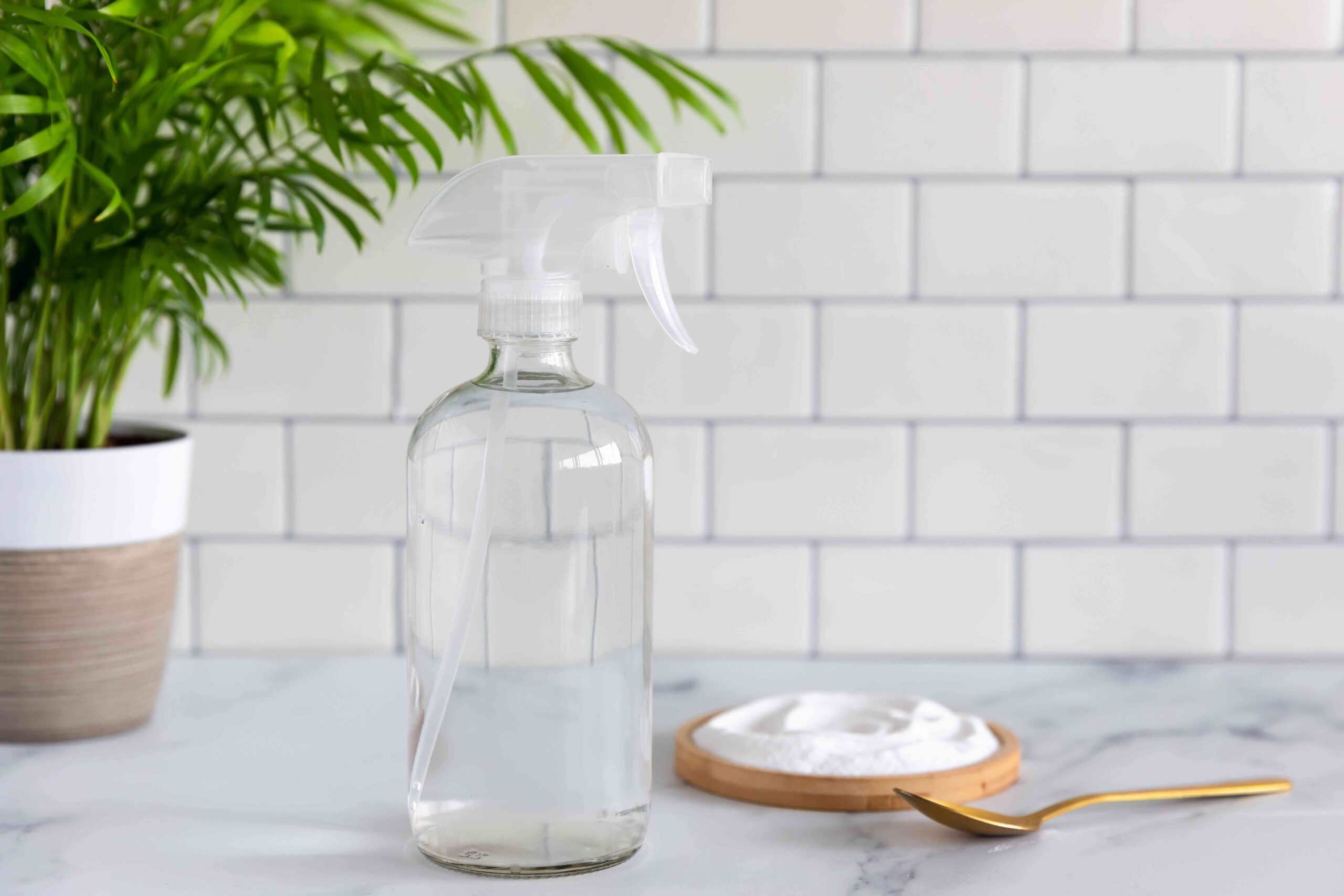
Dissolve one teaspoon of baking soda in one quart of water. That’s the base. Now, the water just beads off leaves usually. That is inefficient. To fix this, add a few drops of liquid dish soap. Something simple, like Ivory. Not laundry detergent. Just gentle liquid soap.
Stir it. Pour it into a clean spray bottle.
Now, attack the fungus.
Spray the whole plant. Not just the top. You have to get the undersides of the leaves. Fungi love the shady parts. Let the plant dry completely. Do it again. And again if needed. Keep shaking the bottle gently before you use it. Store it out of reach of kids, even if the ingredients are harmless. Better safe.
If the fungus survives your assault, bake soda alone might not cut it. You might need heavier artillery then.
The Harsher Outdoor Alternative
Outside, people use copper and sulfur compounds. They work. But they are toxic materials.
Handle with care. Really.
Wear protective clothes. Don’t breathe the spray cloud. If you have pets or kids who wander into the garden, skip these chemicals entirely or move the plants somewhere they cannot reach. Indoor use requires even stricter safety rules. One wrong move and you are cleaning chemicals off the floor. Not ideal.
Stop It Before It Starts
Sprays are a fix. Prevention is a lifestyle.
You cannot fix a moldy houseplant without asking why it got moldy in the first place. Humidity? Poor air circulation? Overwatering? The roots were drowning while the leaves starved for air.
Think about it. A sick plant is rarely just sick because of bad luck. It’s usually bad habits. Change the habits, and the fungus often loses its grip. Or at least, you won’t have to reach for the spray bottle quite so often.