The United States boasts a surprising number of extended piers—structures that stretch far into the ocean, bays, and gulfs—offering recreation, scenic views, and fishing opportunities. But determining which is the longest depends on the criteria. Some are industrial, others are strictly recreational, and some serve a mix of purposes. This article focuses on the most notable non-industrial piers across the country.
The Sunshine Skyway Fishing Pier: A Record-Breaker
Florida’s Sunshine Skyway Fishing Pier State Park is widely considered the world’s longest fishing pier, extending approximately 1.6 miles (2.6 km) into Tampa Bay. The pier’s unique origin lies in the remnants of the original Sunshine Skyway Bridge, partially destroyed in a 1980 storm.
What makes this pier exceptional is its accessibility: anglers can drive directly onto the structure, park, and fish along its entire length. This unusual feature sets it apart from nearly every other pier in North America. The bridge’s story underscores how infrastructure can be repurposed—a testament to resourceful engineering.
Chicago’s Navy Pier: A Historic Landmark
Navy Pier in Chicago reaches about 0.63 miles (1.01 km) into Lake Michigan, making it one of the longest recreational piers in the U.S. Built in 1916, it originally served as a civic hub and even functioned as a U.S. Navy training center during World War II.
Today, it’s a major tourist destination with rides, restaurants, and entertainment. Navy Pier’s longevity and adaptability reflect its importance to Chicago’s cultural and economic life.
California’s Coastal Gems: Oceanside and Huntington Beach
California features several prominent piers, including Oceanside Pier, which stretches approximately 1,954 feet (596 m) into the Pacific Ocean. North of San Diego, it’s a popular spot for fishing, walking, and enjoying ocean views.
Nearby, Huntington Beach Pier extends roughly 0.35 miles (0.56 km) into the Pacific. Situated in the famed “Surf City,” it’s a hub for anglers and surfers alike, complete with shops and restaurants. These piers demonstrate the West Coast’s strong connection to ocean recreation.
Virginia and Santa Monica: East Coast & Iconic West Coast Piers
Ocean View Fishing Pier in Norfolk, Virginia, extends 1,690 feet (515 m) into the Chesapeake Bay. Rebuilt after Hurricane Isabel destroyed a previous structure, it now includes a full-service restaurant and bait shop. Fishing costs $11 per person, but anglers commonly catch trout, flounder, and striped bass.
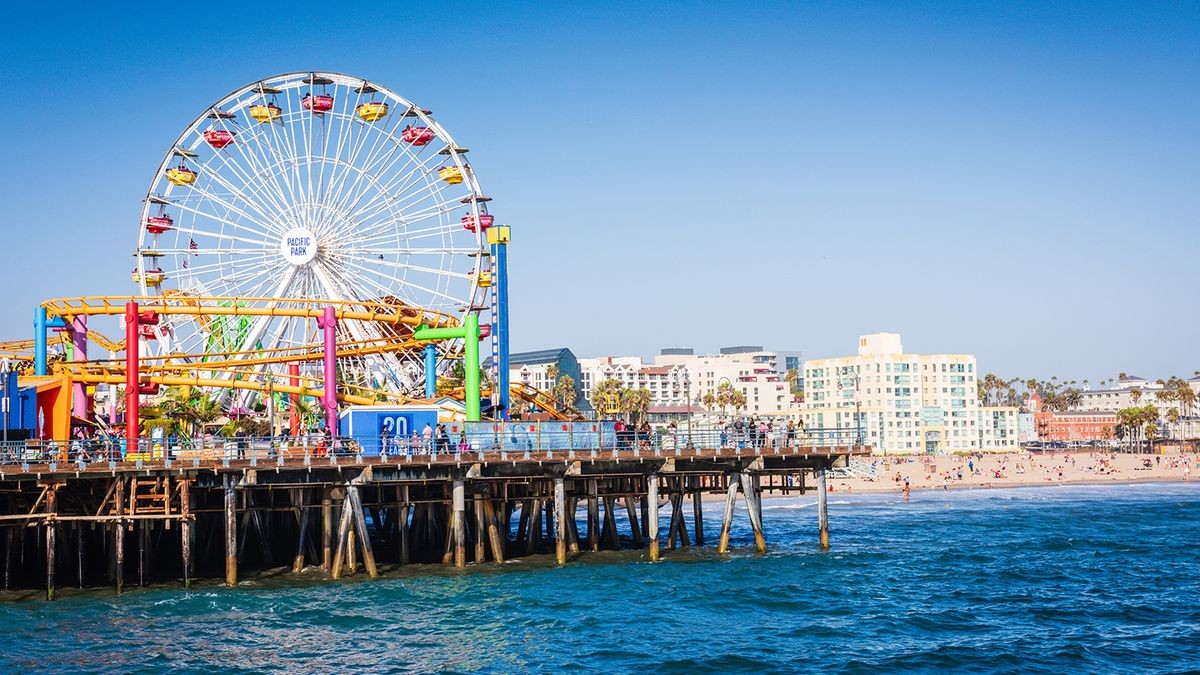
Finally, Santa Monica Pier in California reaches about 0.30 miles (0.49 km) into the Pacific. This iconic pier blends entertainment (restaurants, amusement park) with traditional fishing spots, drawing millions of tourists annually. Santa Monica Pier’s success illustrates how piers can evolve to meet changing demands while preserving their original function.
These piers aren’t just structures of wood and concrete; they’re cultural hubs, engineering feats, and vital parts of coastal communities. Their preservation ensures continued access to the ocean and its diverse recreational opportunities.