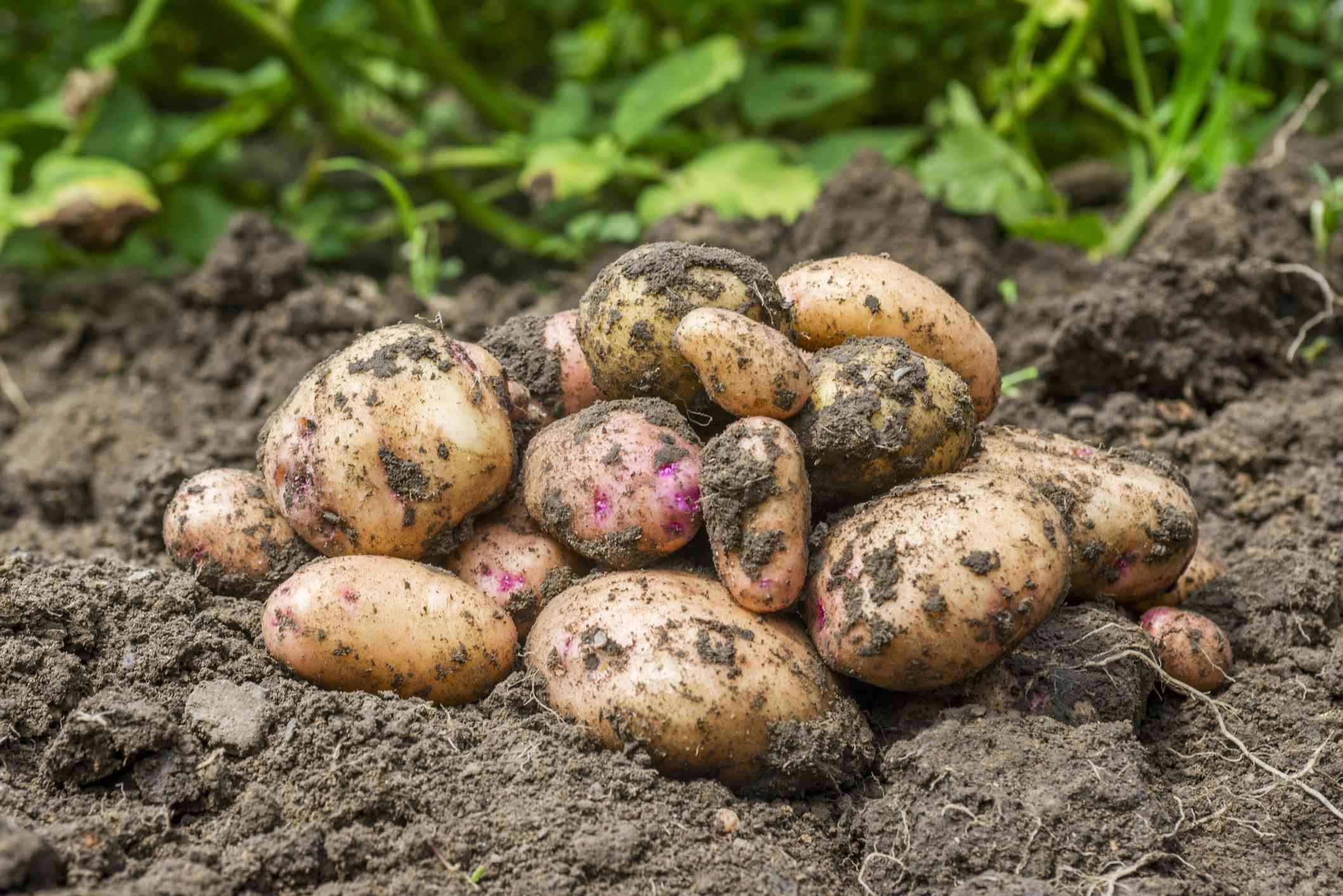
Potatoes are a staple crop for many gardeners, but knowing when to harvest them can be tricky. Unlike most vegetables that grow visibly above ground, potatoes mature underground, making timing crucial. This guide breaks down how long different potato varieties take to grow, how to recognize harvest signs, and factors that can affect maturity.
Understanding Potato Maturity
Potato growth time varies significantly by variety, categorized as early, medium, or late.
– Early varieties mature in roughly 110 days.
– Medium varieties take between 111–120 days.
– Late varieties require over 120 days.
This is important because planting the wrong type for your climate or harvest schedule can lead to disappointment. When buying “seed potatoes” (potatoes grown specifically for planting), the maturity timeframe is usually provided. Keep track of this alongside your planting date to estimate when your crop will be ready.
Common Potato Varieties and Their Growth Timelines
Here’s a breakdown of common potato types:
– Russet Norkotah (Brown Skin): 110 days to maturity.
– Dakota Jewel (Red Skin): 111–120 days to maturity.
– Kennebec (White Skin): Over 120 days to maturity.
– Yukon Gold (Yellow Skin): 110 days to maturity.
Planting in early spring is generally recommended, but ensure the soil temperature reaches at least 45°F (7°C) before planting to avoid stunted growth.
Four Signs Your Potatoes Are Ready for Harvest
- Target Date: Check your garden journal for the expected maturity date from your seed potato information.
- Firm Skin: Dig a test potato and check the skin. It should be thick and firm to the touch, indicating maturity.
- Foliage Dieback: When the potato plant’s leaves turn yellow and die back, the potatoes are fully mature and ready to harvest. This is a reliable sign.
- Flowering (For “New Potatoes”): If you want to harvest immature “new potatoes,” the appearance of flowers signals that some digging can begin.
Factors That Influence Potato Growth
Growth timelines are estimates, not guarantees. Several factors can affect how long it takes for potatoes to mature:
– Sunlight: Potatoes need full sun to thrive. Partial shade slows growth.
– Temperature: Cold snaps can delay maturation.
– Pests & Diseases: Infestations, such as Colorado potato beetles, can damage leaves and reduce photosynthesis, slowing growth.
– Humidity: Imbalanced humidity can lead to fungal diseases, weakening plants and delaying harvest.
Maximizing Your Potato Yield
To get the most from your potato crop:
– Soil Quality: Plant in loose, fertile loam. Deep, rich soil is essential.
– Crop Rotation: Avoid planting potatoes in the same location year after year to prevent disease buildup.
– Watering: Keep the soil consistently moist, watering thoroughly once or twice a week.
– Hilling: Once plants reach a foot tall, mound soil around the stems. This encourages more tuber development and prevents potatoes from turning green due to sunlight exposure (green potatoes contain toxins and should not be eaten).
Hilling increases the underground growing area, boosting yield, and protects tubers from sunlight damage.
In conclusion, successful potato growing requires understanding variety-specific timelines, recognizing key harvest indicators, and managing environmental factors. By following these guidelines, gardeners can ensure a bountiful and safe potato harvest.