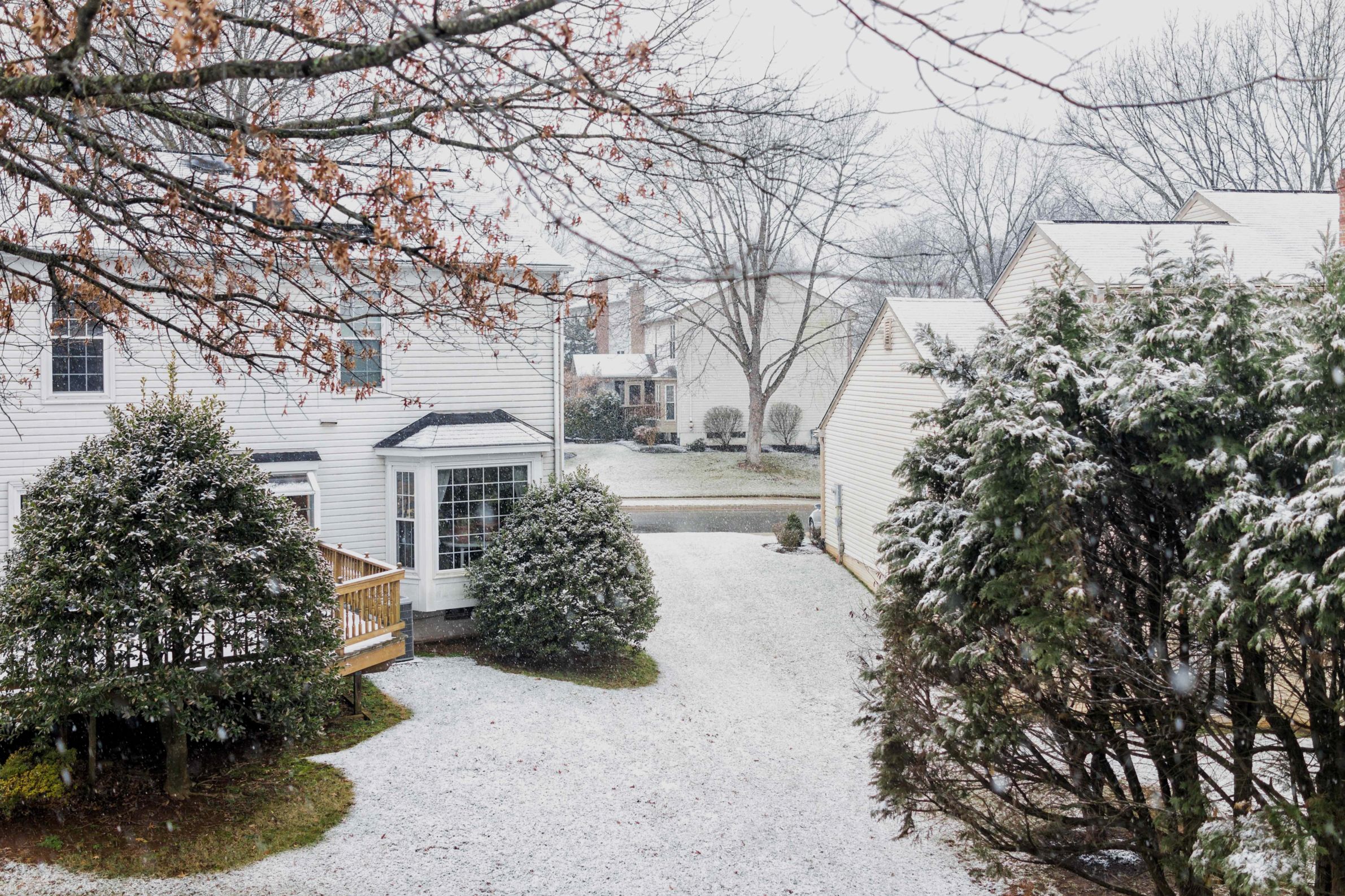
Leaving snow on your deck isn’t just about convenience—it could lead to costly repairs. While shoveling a walkway or driveway is obvious, many homeowners wonder if it’s necessary for outdoor decks. The consensus among home maintenance professionals is clear: remove the snow. The primary risk isn’t just the weight, but also potential water damage, mold, and structural issues that can shorten your deck’s lifespan.
Why Snow Accumulation Matters
Decks are designed to withstand some snow, but excessive weight from heavy or saturated snow can strain the structure. According to city guidelines, wet snow weighs roughly 20 pounds per cubic foot. A significant snowfall—even just a few inches—can quickly add up to a ton of pressure on a 250-square-foot deck.
Beyond weight, trapped moisture is a major concern. Even pressure-treated lumber can suffer rot, warping, or mold growth if snow melts against the wood for extended periods. Improperly built DIY decks are particularly vulnerable.
Finally, snow drifts can cause leaks if they press against doors or siding, even on professionally installed decks designed with drainage slopes.
When Shoveling Isn’t Necessary
If only a few inches of light, fluffy snow have fallen, a well-constructed deck in good condition should easily handle the load. In those cases, clearing isn’t essential—unless you need access for winter grilling or foot traffic.
How to Shovel Safely
For heavier snow, proper technique is key. Avoid damaging the deck boards:
- Use a push broom: A push broom with bristles can remove up to 3 inches of snow effectively.
- Opt for plastic shovels: Metal shovels or scrapers can cause damage. Choose plastic with rounded edges.
- Shovel with the grain: Move tools parallel to the boards to avoid scratching or splintering the wood.
“Clearing the snow helps extend the life of the deck and reduces long-term moisture damage,” says Gene Caballero of GreenPal.
In conclusion, while a light dusting of snow is unlikely to cause harm, removing heavier accumulations is a smart investment in your deck’s longevity. Proactive maintenance prevents costly repairs down the line, ensuring your outdoor space remains safe and structurally sound.