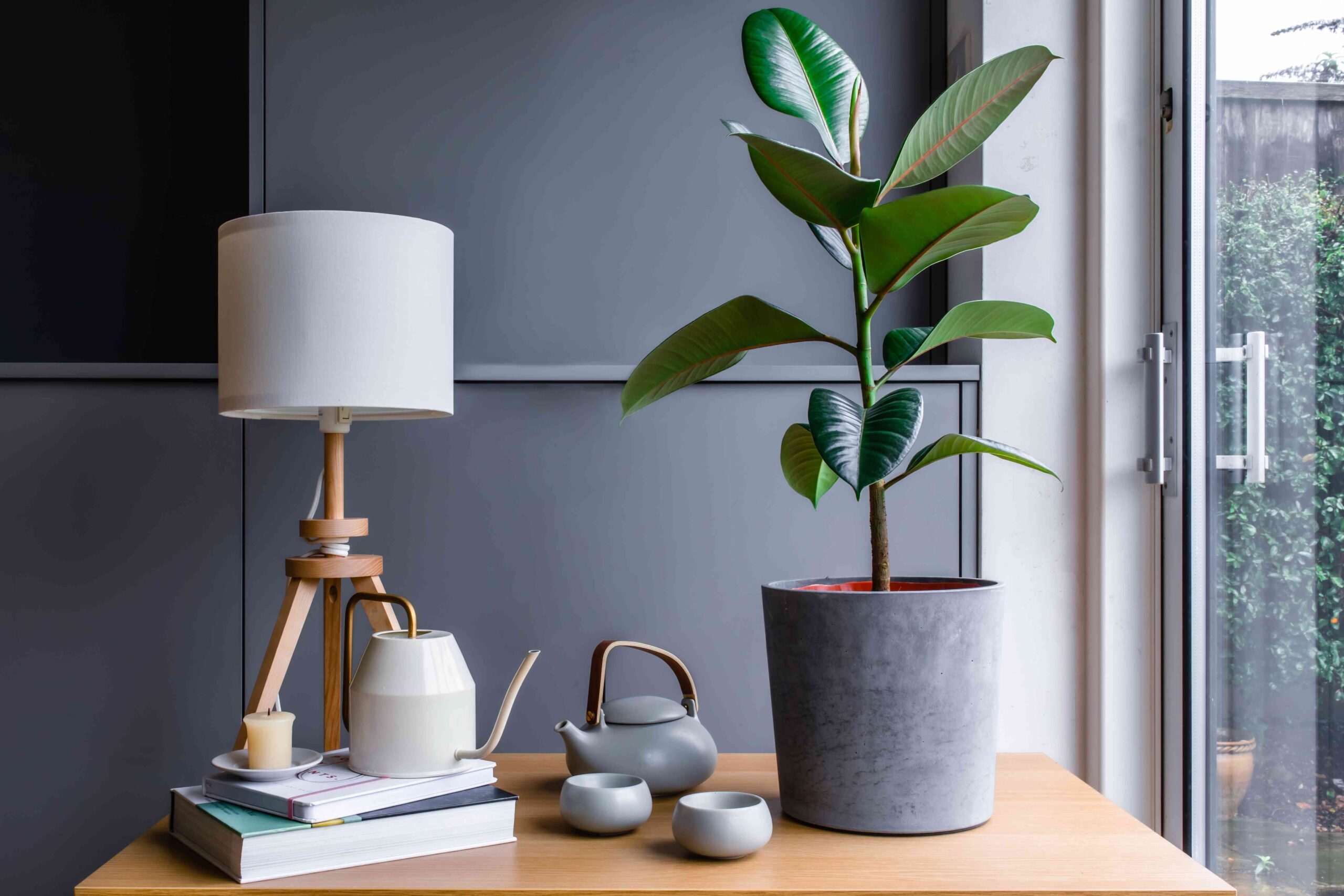
It’s toxic. Keep it away from cats, keep it away from dogs, just don’t eat it. Ficus elastica. That’s the Latin name for the Rubber Tree, and despite the formal title, this plant doesn’t care about etiquette. It cares about light. Water. And space.
Rubber trees are tough. Hardy, even. But “hardy” is a relative term in the indoor garden world. They aren’t set-and-forget cactuses. They have opinions. Specifically, they hate sitting in dark corners, they hate frozen feet, and they absolutely hate being ignored for months on end.
Can you grow them inside? Sure. You can. Indoor specimens usually cap out around six to ten feet. Unless you’re living in a cathedral or have really high ceilings, ten feet is your limit. The most popular indoor versions are ‘Tineke’, ‘Burgundy’, ‘Ruby’, and ‘Robusta’. All good choices. All picky eaters.
Light Or Bust
This is the main problem. Rubber plants are tropical things pretending to live in your suburban hallway. They want lots of light. Not the aggressive, burning noon sun—that cooks leaves—but bright, indirect sunlight.
Give it six to eight hours daily. An east-facing window works. Being a few feet from a south or west window is fine too. Just don’t blast it. Soft morning sun is okay. Afternoon direct sun? That’s damage. Burned leaves look terrible.
No light, no joy. Without it, the plant gets leggy. It stretches. It drops its lower leaves because they can’t photosynthesize anymore. The glossy leaves turn dull. Matte finishes are not on trend for this plant.
Rotate the pot a quarter turn once a month. Keeps it straight. Keeps it fair.
Temperature and Humidity
Think moderate to warm. Between 65°F and 90°F. Ideally closer to that sweet spot of 80. Humidity matters too—aim for 40-50 percent. If your heating dries out the air like a desert, run a humidifier. Or bunch a few plants together. They create their own microclimate, sharing moisture like friends in a sauna.
Cold is the enemy. Ficus hates drafts. Keep it far from exterior doors and frosty windows in winter. Drop the temp below 50°F for more than a few minutes? You’re losing leaves. They’ll turn yellow, then brown, then drop. Fast.
Water Wisely
The golden rule: Moist. Never soggy. Rubber trees are dramatic about drowning. Drought stress also stresses them. So aim for the middle path.
Check the soil with your finger. Stick it in. Top two inches feel dry and crumbly? Water it. Wet? Walk away.
In winter, growth slows down. So do your watering. Let it dry out a bit more between sessions.
Food and Fuel
These plants are heavy feeders when they’re happy. During spring and summer—growing season—give them balanced liquid fertilizer diluted to half-strength. Every two weeks.
If the light is low? Skip it. Fertilizing a sad plant just stresses it more. Once a month max in low light. Start when spring growth appears. Stop when autumn shadows lengthen and the plant hits the brakes.
Pruning and Pests
Want to control the height? Prune it. Do it in spring when new growth starts. If you let it tower over your bookshelf, you might need a stake. A bamboo pole, a wooden dowel, anything to prop that thick stem up so it doesn’t flop.
Dust hates leaves. Leaves hate dust. Wipe them down occasionally with a damp cloth. Keep them shiny. Shiny means happy. Happy means growth.
Pot it right, though. Plastic, ceramic, terracotta—pick whatever fits your aesthetic. Terracotta breathes, meaning it dries out faster. Good to know if you forget to water for a week. Drainage holes are non-negotiable. Roots need to breathe, not swim.
Soil mix should drain fast. Add perlite. Use peat moss or coconut coir for moisture retention. Throw in some orchid bark if you want to get fancy. It helps water move through without sitting stagnant.
Repotting Logic
Rubber trees get big, quick. Under ideal conditions, you might repot them yearly until they reach the height you can tolerate. They’re fine being slightly pot-bound. In fact, they prefer a snug fit.
Signs you need a new home for roots: Roots coming out of the drainage hole. Roots spiraling at the top of the soil surface. If you see that, upgrade the pot. Just three inches wider. Don’t go huge. Bigger pots hold more wet soil, which holds more rot potential. Stick to small increments.
The Summer Escape
When the weather turns, consider letting the plant vacation outside. Sunlight levels outside crush what a window can offer. Growth will explode.
But go slow. You wouldn’t step into a blizzard in flip-flops, so don’t drop your indoor plant into direct August sun.
Week one: Full shade.
Week two: Partial shade, gradually increasing exposure.
Always: Indirect light or shade only. Never direct harsh sun outdoors either. The shock would be too great.
Watch the temperature. Bring it out when nights stay above 50°F consistently. If daytime temps hit 90s, move it to deep shade and water more frequently. More sun equals more evaporation equals more water needs.
Bring it back indoors before nights get cold again. October, usually. Before that first hard chill.
Clean it before it enters. Hose off the leaves and stems to blast away hitchhiking bugs. Soak the whole pot in a bucket for fifteen minutes. Force pests out of the dirt. Bring back bugs with your plant, and your indoor garden turns into an insect zoo. No one wants that.
When Things Go Wrong
Leaves turning yellow?
Is it getting too much light? Too little?
It’s usually water. Either too much, which rots roots and turns foliage pale, or too little, which desiccates the system. Adjust. Check the soil. Look at the light. Tweak it.
Leaves falling off entirely?
Water. Always water. Inconsistency triggers drop mode. Soggy soil causes root rot. Root rot kills leaves. Dry soil causes drought stress. Stress kills leaves. Keep the moisture level steady. Consistent. Like a heartbeat.
You do the math. You do the watering. You rotate the pot. It grows tall, dark, and leafy.